|
| NEWS AS IT HAPPENS | ||||||||||||||||||||||||||||||||||||||||||||||||||||||||||||||||||||||||||||||||||||||||||||||||||||||||||||||||||||||||||||||||||||||||||||||||||||||||||||||||||||||||||||||||||||||||||||||||||||||||||||||||||||||||||||||||||||||||||||||||||||||||||||||||||||||||||||||||||||||||||||||||||||||||||||||||||||||||||||||||||||||||||||||||||||||||||||||||||||||||||||||||||||||||||||||||
|---|---|---|---|---|---|---|---|---|---|---|---|---|---|---|---|---|---|---|---|---|---|---|---|---|---|---|---|---|---|---|---|---|---|---|---|---|---|---|---|---|---|---|---|---|---|---|---|---|---|---|---|---|---|---|---|---|---|---|---|---|---|---|---|---|---|---|---|---|---|---|---|---|---|---|---|---|---|---|---|---|---|---|---|---|---|---|---|---|---|---|---|---|---|---|---|---|---|---|---|---|---|---|---|---|---|---|---|---|---|---|---|---|---|---|---|---|---|---|---|---|---|---|---|---|---|---|---|---|---|---|---|---|---|---|---|---|---|---|---|---|---|---|---|---|---|---|---|---|---|---|---|---|---|---|---|---|---|---|---|---|---|---|---|---|---|---|---|---|---|---|---|---|---|---|---|---|---|---|---|---|---|---|---|---|---|---|---|---|---|---|---|---|---|---|---|---|---|---|---|---|---|---|---|---|---|---|---|---|---|---|---|---|---|---|---|---|---|---|---|---|---|---|---|---|---|---|---|---|---|---|---|---|---|---|---|---|---|---|---|---|---|---|---|---|---|---|---|---|---|---|---|---|---|---|---|---|---|---|---|---|---|---|---|---|---|---|---|---|---|---|---|---|---|---|---|---|---|---|---|---|---|---|---|---|---|---|---|---|---|---|---|---|---|---|---|---|---|---|---|---|---|---|---|---|---|---|---|---|---|---|---|---|---|---|---|---|---|---|---|---|---|---|---|---|---|---|---|---|---|---|---|---|---|---|---|---|---|---|---|---|---|---|---|---|---|---|---|---|---|---|---|---|---|---|---|---|---|---|---|---|---|---|---|---|---|---|---|---|---|---|---|---|---|---|---|---|---|---|---|---|---|---|---|---|
Making a point on throwing sticks for dogs March 17 We all grew up with the idyllic notion of throwing sticks for dogs, but latest figures from the British Veterinary Association (BVA) reveal that three in four vets have seen dogs injured by stick-throwing antics in the last year. On Channel 4’s coverage of Crufts 2017 this evening, vet Nick Blayney and health reporter Nimisha Patel highlighted the issue, dispelling the notion and urging dog owners across the UK to use safe alternatives instead. Dog injuries from sticks can range from cuts and scrapes in a dog’s mouth, to infections from stick-splinters, and life-threatening injuries such as the stick becoming lodged in their throat. Even when the initial wound is treated, splinters of the wood can become buried and lead to infection, requiring subsequent operations or treatment. Nimisha, who is a registered veterinary nurse, said: “Personally I’ve only had to deal with a minor injury, where a stick got lodged across the dog’s hard palate, but it still must have been excruciating for the dog – and I know other vets and vet nurses see far worse, far more often! We’re learning more and more about our pets, their likes and dislikes, and what’s best for their welfare, so it’s always worth taking a look at the latest available advice or going and speaking with your local vet to make sure our pet are as happy and healthy as they possibly can be.” The majority of vets surveyed by BVA had, on average, seen a couple of stick injury cases in the last twelve months – yet one vet had seen 50 cases! BVA President and vet Gudrun Ravetz said: “In practice I have seen cases of traumatic stick injuries that have caused real problems for the dogs, and have needed extensive investigations and surgery. Even small splinters can cause big problems. We would never discourage owners from exercising or playing with their dog as there are enormous benefits for their health, as well as our physical health and mental wellbeing, we simply ask that owners swap sticks for dog-safe toys instead to avoid easily preventable and distressing injuries.” BVA recommends that any owner concerned that their dog may have a stick injury, or who would like information on alternative dog friendly toys, speak to their local vet. Disappointing deal for dogs in Scotland, say vets
October 16 Today (4 October) the British Veterinary Association (BVA) and BVA Scottish Branch expressed disappointment at new Scottish Government legislation for dog welfare, including announcements on the sale and use of aversive training devices, and tail docking of working dogs. The decision to prohibit the sale and use of electric pulse, sonic and spray collars in Scotland, unless under the guidance of an approved trainer or vet, has been cautiously welcomed by BVA, however the new regulations do not go far enough. In January this year BVA, along with the British Small Animal Veterinary Association (BSAVA), answered the government’s consultation, and called for an all-out ban on these devices. Although this new legislation will ban the sale of these items to the public, there is concern from vets and animal behaviourists that the devices will still be used by some as a method of training. This raises a number of welfare issues, such as the difficulty in accurately judging the level of electric pulse to apply to a dog without causing unnecessary suffering or understanding how variables, such as the dog being wet, can impact the electric pulse felt. Research also shows that aversive training collars are no more effective than positive reinforcement methods. Grace Webster, President of the British Veterinary Association Scottish Branch, said: “Electronic training devices, such as electric pulse collars, have a negative, painful effect on dogs and can cause them unnecessary suffering. We know from our own consultation with leading veterinary behaviourists that using fear as a training tool is less effective than positive reinforcement and can instead take a toll on the dog’s overall welfare. We have grave concerns over how enforceability will work without an outright ban. We hoped that today’s announcement would put a complete stop to the use of these training methods, however it is a small step forward and we will continue to lobby the government to further their legislation.” Dog welfare in Scotland received a further negative lot with the overturn of the ban on tail docking for working dogs. Going forward working Spaniels and Hunt Point retrievers will be allowed to have one third of their tail removed in an attempt to prevent tail damage later in life. BVA has long campaigned for a ban on tail docking and believes that puppies suffer unnecessary pain as a result of docking, and are deprived of a vital form of canine expression. Until recently Scotland has led the way on tail docking welfare for dogs with a complete ban of the practice, and this new announcement is a retrograde step for animal welfare in the country. Gudrun Ravetz, President of the British Veterinary Association, said: “After the clear leadership the Scottish Government has shown on tail docking, we are saddened at the decision to reverse its stance. BVA has carefully considered all the evidence and remains convinced that tail docking in dogs is detrimental to animal welfare.” SETTING THE EXAMPLE Scotland setting the example on animal welfare, says British Veterinary Association
September 16 British Veterinary Association (BVA) President Sean Wensley praised Scotland on its leadership in many areas of animal welfare, but also called on the Government, farmers and vets to ensure hard won ground was not lost, during his speech at BVA’s annual Scottish Dinner on Tuesday 13 September.
Addressing almost 100 guests at the Scottish Parliament, including the Cabinet Secretary for Rural Economy and Connectivity Fergus Ewing MSP, parliamentarians, key representatives from animal health and welfare organisations, and colleagues from across the veterinary profession, the BVA President said: “It seems fitting that my penultimate speech as BVA President is in Scotland, a country that has led the way on tackling many animal welfare problems.”
At the start of Mr Wensley’s speech he highlighted the Scottish Government’s intention to introduce a Bill to ban the use of wild animals in travelling circuses, which BVA called for in its manifesto that launched ahead of May's national election. Mr Wensley said: “We whole-heartedly welcome last week’s announcement … This is an issue that BVA has been campaigning on and, while it may not affect a great number of individual animals in the UK, the use of wild animals in travelling circuses is emblematic of the way we treat all animals in the human-animal age. We commend the Scottish Government for seizing this opportunity to improve animal welfare – and we’re urging other UK governments to follow your precedent.”
Throughout his speech, Mr Wensley outlined a number of forward-thinking Scotland-specific initiatives like projects between the veterinary profession and NHS to advocate the health harms of passive smoking to pets and people, the Government-led review in to exotic (non-traditional) pets, and the innovative use of wrasse as a solution to sea lice thus reducing the need for veterinary medicines.
Highlighting Scotland's ongoing efforts to protect animal health and control animal disease, he said: “Close Government, farmer and vet links must continue to progress the excellent work that has been done so far into the now-notifiable disease Porcine Epidemic Diarrhoea (PED); towards eliminating mange from pig herds; and on the eradication scheme for BVD. We'd like to see the Government capitalise on this momentum and support farmers and vets in the development of control measures for Johne's disease and Infectious Bovine Rhinotracheitis amongst others.”
Mr Wensley emphasised that 2016 is a pivotal year for animal welfare, partly due to the anniversary of the Animal Health and Welfare (Scotland) Act 2006: “As we approach the 10-year anniversary of the Act, Scottish Government must stick to Schedule and conduct a review to ensure it is effective in protecting the welfare of Scotland's animals.”
He also called on the Scottish Government to ensure hard won ground on animal welfare was not lost on both national and international issues: “Scotland also led the way on tail docking of dogs, and this ban must be maintained if a leadership position is to be retained in Scotland … anything but retention of a ban on tail docking across all breeds would be a retrograde step for animal welfare in Scotland.”
Commenting on the outcome of the UK's EU Referendum earlier this year, Mr Wensley emphasised: “A key objective post Brexit must be that the UK does not slip in its world leading outlook and outputs on animal welfare.”
The BVA President ended his speech by highlighting the veterinary profession's unique opportunity and responsibility to advocate animals' best interests in spite of the unique challenges that vets in parts of Scotland face: “Recruitment and retention to rural, mixed practices in areas of Scotland is a major challenge, which results in a small number of vets … shouldering that enormous burden.
“Vets, however remote, are crucial links in the chain of guardianship and gatekeeping that safeguards human and animal health and protects animal welfare.”
Cabinet Secretary for Rural Economy and Connectivity Fergus Ewing MSP responded to the BVA President's speech. BVA Junior Vice President and BVA Scottish Branch President Grace Webster will discuss many of BVA's priority issues with the Cabinet Secretary for Environment, Climate Change and Land Reform, Roseanna Cunningham MSP, following BVA's annual Scottish Dinner, on Wednesday 14 September. BVA urges UK governments to protect the status of vets and vet nurses in Brexit negotiations
July 16 Following the EU referendum (23 June), the British Veterinary Association (BVA) is urging UK governments to protect the status of EU veterinary surgeons and veterinary nurses who are currently living and working in the UK. Almost half of veterinary surgeons registering in the UK qualified from veterinary schools elsewhere in the EU, according to statistics from the Royal College of Veterinary Surgeons (RCVS). To highlight the impact of the referendum outcome on the veterinary professions, BVA has written to the Secretary of State, Liz Truss MP, and to Ministers in Scotland, Wales and Northern Ireland, requesting an early statement to the effect that non-British EU vets and vet nurses who are currently living, studying or working in the UK will continue to be able to do so in future. BVA is also seeking reassurance for UK veterinary professionals working and studying in other EU member states. BVA President Sean Wensley said: “It is not yet possible to comment on the reality of ‘Brexit’ since much will depend on forthcoming negotiations and the decisions that will be taken by the Government regarding, for example, whether or not to maintain existing EU legislation and rules. However, we recognise that these unanswered questions are having a profound impact on many of our members – particularly members who are non-British EU citizens, or have family members who are, and members who work alongside colleagues from other European Member States.” In the letters, Mr Wensley stated: “I am sure there are many significant issues that your Department needs to consider [and] given the profound personal impact that the uncertainty caused by the referendum outcome is having on some of our members, we wanted to contact you at the earliest opportunity. In the forthcoming negotiations about the future relationship between the UK and the EU, we strongly urge you to make the case for all EU citizens and EU-qualified veterinary surgeons and nurses to have ongoing rights to live, work and study in the UK.” In the letter to the Northern Ireland (NI)Minister of Agriculture, Environment and Rural Affairs Michelle McIlveen MLA, the BVA President and BVA NI Branch President Seamus O’Kane highlighted NI’s land border with EU member state the Republic of Ireland and called for the maintenance of the Common Travel Area to facilitate movement in an all-island context for both work and study purposes. Veterinary surgeons and veterinary nurses from other EU member states are invaluable members of practice teams across the UK and work across all areas of veterinary science, including the fields of animal health and welfare, animal disease surveillance, scientific research and education, wildlife conservation, and public health and food safety. Figures from the Veterinary Public Health Association (VPHA) estimate that over 90 per cent of vets in meat hygiene services are non-British EU citizens. Commenting on the potential impact of Brexit on veterinary surgeons working in the public health sector, VPHA President Lewis Grant said: “Due to the particular focus on public health in many European veterinary degree courses, EU vets make an enormous contribution to both public health and animal health and welfare in the UK - often behind closed doors, monitoring and protecting public health in Approved Premises as well as welfare at slaughter to ensure slaughterhouses meet the standards that are required by law and expected by the public. Without their input and expertise, it would be difficult to ensure that Statutory requirements within the food industry are complied with.” BVA is working with the RCVS and other bodies to discuss the implications of Brexit for the veterinary professions, and the key issues that should be raised in forthcoming discussions and negotiations. BVA members are being encouraged to share their feedback on BVA’s community forum under the dedicated ‘What do you think ‘Brexit’ could mean for the veterinary profession?’ discussion. BVA speaks up for animal welfare at annual London Dinner
The British Veterinary Association (BVA) launched its landmark animal welfare strategy, ‘Vets speaking up for animal welfare’, to a roomful of key influencers at its annual London Dinner held at One Great George Street, just off Parliament Square, on 3 February. The Minister of State at Defra, George Eustice MP, responded to the BVA President’s speech. BVA President Sean Wensley presented the strategy to the dinner’s 70 attendees, explaining: “[This is] a project that has been influenced by Government action, taken over 50 years ago. Professor Roger Brambell’s 1965 report … presented five things that, morally, all animals should be able to do. In addition to its influence on animal welfare assessment and legislation, Brambell’s report also set in motion the now thriving field of animal welfare science, which, for the first time in a long history of animal welfare concern, is providing an objective basis for understanding how animals experience the world.” Following 18 months’ consultation with BVA members, branches, divisions and over 80 stakeholder organisations, in his pre-dinner speech BVA President Sean Wensley outlined the veterinary profession’s acknowledged role as leading animal advocates: “Protecting and promoting animal welfare is the veterinary profession’s raison d’être. It’s a declaration that each of us makes when we become members of the Royal College of Veterinary Surgeons.” He continued: “As vets we recognise that we are part of an interdisciplinary community seeking to promote the best interests of animals and improve their treatment, wherever they are used or impacted on by people. It’s a community that involves all of us and the organisations represented here this evening: politicians, animal welfare scientists, industry, NGOs, consumers and retailers.” The BVA President specifically thanked Waitrose for their kind sponsorship of the evening’s event and acknowledged the retailer’s commitment to high animal welfare standards. Last week (27 January) Waitrose was ranked one of the world’s top five companies in the Business Benchmark on Farm Animal Welfare, which assessed 90 global food companies’ farm animal welfare standards. BVA’s animal welfare strategy identifies six priority areas as building blocks for future action on animal welfare, through which BVA, its members and specialist divisions can contribute to solutions for real-world animal welfare problems. BVA President Sean Wensley highlighted real-world animal welfare problems in his speech, including the welfare of animals at slaughter, primates as pets and bovine TB, while also highlighting the animal welfare, human health and environmental implications of over-consumption of animal-derived products, yet emphasised: “The veterinary profession has a unique opportunity – and responsibility – to advocate animals’ best interests at individual, community and national levels. And where problems arise for animals, BVA, in collaboration with our specialist divisions and charities, provides clear and robust advocacy such as our current joint campaign to ban the keeping of primates as pets … and we will continue our campaign to raise awareness and find pragmatic solutions to minimise the terrible suffering of non-stunned animals and reduce the numbers affected.” The President concluded his speech by saying: “As we look ahead, I hope the launch of BVA’s animal welfare strategy sends a clear signal that the veterinary profession is, and will continue to be, a considerable force for good, for animals and for an increasingly compassionate society, in the years to come.” Hot Shot Dog October 15 A woman in the US state of Indiana is recovering after being shot by her dog in a bizarre hunting accident, an environment official says. HEAT WAVE DUE
June 15 June heatwave: BVA reveals half of UK vets treated pets for heat-related conditions last summer As forecasters predict a heatwave in the first week in June, vets are warning that pets can struggle as the temperature rises. The warning follows findings from the British Veterinary Association’s (BVA) Voice of the Veterinary Profession survey that show nearly half of vets (48%) questioned treated animals for conditions related to hot weather during Summer 2014. More than one in three small/mixed practice vets (36%) had seen cases of heat stroke last summer, while a similar proportion (31%) had seen animals with other conditions relating to hot weather, including:
Overwhelmingly, vets who had seen heat-related conditions treated dogs, with 9% mentioning small mammals (such as rabbits and guinea pigs), 8% mentioning cats and 4% other animals. Dog owners should take extra care to keep their pets healthy and happy in the sunshine and contact their veterinary practice immediately if they are concerned Dogs, and other pet animals, may struggle in high temperatures as they are unable to cool down quickly through sweating, rendering them vulnerable to overheating. Despite publicity campaigns in recent years, dogs still die in hot cars every summer or succumb to heatstroke as a result of over-exertion on walks and daytrips – this can be a particular problem in short nosed dogs and older animals. BVA and the British Small Animal Veterinary Association (BSAVA) are highlighting seven simple steps to help keep dogs safe as the temperature rises:
Vet John Blackwell, President of the BVA, has some advice for owners as the weather gets warmer. He said: “As it gets hotter this summer, all owners need to think about taking simple steps to ensure their pets are happy and healthy during the warm weather. “Most people know that dogs should never be left in cars by themselves, even when the day is warm as opposed to hot, but it can be tempting to ignore advice if you think you won’t be gone for long. “Leaving the car windows open and a bowl of water is not enough. As a dog can only cool down through its tongue and paw pads, it cannot react quickly enough to cope with the rapidly rising heat inside a car. “Dogs are also vulnerable to heatstroke while out with their owners. I see animals in my practice every summer that have overheated while out walking or exercising. A dog won’t stop enjoying itself because it is hot, so it’s up to the owner to stop the animal before it suffers. “Older dogs and those with respiratory problems are particularly susceptible but it’s sensible to keep a close eye on any dog on warmer days. If your pet is affected by the heat the quicker you get help the better the animal’s chances of survival.” Detecting overheating early and treating it promptly is essential to dogs and other pets recovering successfully. Signs that animals are overheating can include faster and heavier panting, and restlessness, which may include lack of coordination. They might produce more saliva than normal and have darker coloured gums than normal. Eventually their eyes may become glassy and they may start to become unresponsive and may slip into unconsciousness. Pet owners should immediately get advice from a vet if they are concerned their pet is suffering from a heat-related condition. In addition, if heatstroke is suspected, pets should be taken to a cool, well-ventilated place and given water to drink. Dogs can also be cooled down with a fan or by covering them with a wet towel. However, pet owners should always contact a vet for advice rather than trying to treat on their own an animal who could be suffering from a heat-related condition. TAKE EXTRA CARE April 15 Heatwave: vets say take extra care of your dogs
As forecasters predict we are heading for a Spring heatwave, vets are warning that pets can struggle as the temperature rises. Dog owners should take extra care to keep their pets healthy and happy in the sunshine and contact their veterinary practice immediately if they are concerned. Dogs may struggle in high temperatures as they are unable to cool down quickly through sweating, rendering them vulnerable to overheating. Despite publicity campaigns in recent years, dogs still die in hot cars every summer or succumb to heatstroke as a result of over-exertion on walks and daytrips. BVA’s Voice of the Veterinary Profession survey showed that last summer nearly half of all vets (48%) treated animals for conditions related to hot weather. The British Veterinary Association (BVA) and British Small Animal Veterinary Association (BSAVA) are highlighting seven simple steps to help keep dogs safe as the temperature rises:
Vet John Blackwell, President of the BVA, has some advice for owners as the weather gets warmer. He said: “As it gets hotter this summer, all owners need to think about taking simple steps to ensure their pets are happy and healthy during the warm weather. “Most people know that dogs should never be left in cars by themselves, even when the day is warm as opposed to hot, but it can be tempting to ignore advice if you think you won’t be gone for long. “Leaving the car windows open and a bowl of water is not enough. As a dog can only cool down through its tongue and paw pads, it cannot react quickly enough to cope with the rapidly rising heat inside a car. “Dogs are also vulnerable to heatstroke while out with their owners. I see animals in my practice every summer that have overheated while out walking or exercising. A dog won’t stop enjoying itself because it is hot, so it’s up to the owner to stop the animal before it suffers. “Older dogs and those with respiratory problems are particularly susceptible but it’s sensible to keep a close eye on any dog on warmer days. The quicker you get help the better the animal’s chances of survival.” Detecting overheating early and treating it promptly is essential to dogs recovering successfully. Signs that animals are overheating can include faster and heavier panting, and restlessness, which may include lack of coordination. They might produce more saliva than normal and have darker coloured gums than normal. Eventually their eyes may become glassy and they may start to become unresponsive and may slip into unconsciousness. If heatstroke is suspected dogs should be taken to a cool, well-ventilated place and given water to drink. Dogs can also be cooled down with a fan or by covering them with a wet towel. Pet owners should get advice from a vet immediately if the dog does not respond promptly. MICROCHIP YOUR PET United Kingdom June 14 
MICROCHIP YOUR PET TO AVOID HEARTBREAK OF SEPARATION, URGES BVA The British Veterinary Association (BVA) is urging cat and dog owners to mark National Microchipping Month this year by checking that their pet is chipped and all of their details are up to date. Microchipping is a safe and effective way to permanently identify a pet and, through registration on a database, the animal can be linked to its owner and quickly reunited if it goes missing. Microchipping of dogs is set to become compulsory in Wales from 1 March 2015 and in England from 6 April 2016. Compulsory microchipping will significantly reduce the number of lost and stray animals being kept by local authorities and charities at enormous cost. Vets also recommend that cats are microchipped to ensure that they can be swiftly reunited with owners if they become lost or injured away from the home. BVA President and vet Robin Hargreaves said: “The ability to reunite stray animals with their grateful owners is a highlight of working in veterinary practice. We’ve had lots of animals brought into the surgery without owners and people are always so relieved to get a call saying their pet has been found. “If the animal is injured it’s even more important that we can locate the owner quickly so we can make decisions about treatment. “Microchipping is an essential part of responsible ownership and the cost is relatively small. The introduction of compulsory microchipping is a giant leap for dogs and their owners and is something that vets have long campaigned for. “But microchips are only as useful as the information on the database and so it’s essential that owners realise that they must keep their details up to date.” KENNEL CLUB HYPOCRACY Dog Breed More Rare Than The Giant Panda Falls To Record Low
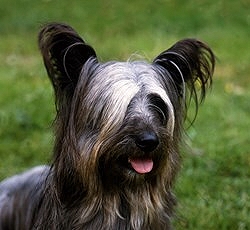
The Header says it all! The Skye Terrier is classed as a 'Vulnerable Breed' by the Kennel Club because its registrations have fallen below 300. What utter 'Hypocracy' then by the KC when they allow 'Breeders' from 'Vulnerable Breeds' to endorse their litters with; 'Vulnerable Breeds' and 'Hypocracy' Added Together "Are there any restrictions that would prevent me from registering my pedigree puppies? Yes, if any of the following apply: New registration statistics released by the Kennel Club reveal that the Skye Terrier, which is one of the most vulnerable of Britain's native dog breeds - and more rare than the Giant Panda - has fallen to a record low of just 17 puppy registrations in 2013, as foreign breeds continue to thrive. [What a load of Bollocks when the Kennel Club Allow Breeders to 'Endorse' their 'Vulnerable Breeds' litters with: Progeny Not Eligible For Registration] The annual registration statistics for 2013, which have been released ahead of Crufts, where more than 200 pedigree breeds will be on show, has seen a 59 percent drop on 2012 registrations for the breed. It is estimated that there are less than 400 of the breed left in this country, making it the rarest of Britain's vulnerable native breeds, alongside the Otterhound. The Kennel Club's list of vulnerable native breeds monitors those native dog breeds whose numbers are below 300 puppy registrations each year, which is thought to be a suitable level to sustain a population. An 'at watch' list monitors those between 300 and 450 registrations per annum that could be at risk if their numbers continue to fall. In total there are 25 vulnerable native breeds, including the Cardigan Welsh Corgi, Dandie Dinmont Terrier and Deerhound, and eight 'at watch' breeds, including the Irish Setter and the Pembroke Welsh Corgi. Sue Breeze, a Kennel Club Assured Breeder of Skye Terriers, who won the Best in Group at Crufts last year, said: "As somebody who adores this breed, I am terrified by this new record low in their numbers. The simple reason that Skye Terriers are in decline is that people don't know they exist. It's that basic. "We need to find ways that we can protect the breed or they won't be around for future generations to enjoy. Winning Best in Group at Crufts last year led to a lot of enquires about the breed, but there weren't many pups available and we've all been too scared to breed in recent years, for fear of the pups not having homes to go to."
The shift in fashion, from native to foreign breeds, can be seen in the Kennel Club's top ten registered breeds of 2013, with the French Bulldog knocking out long term British favourite, the Cavalier King Charles Spaniel. Registrations of the French Bulldog, owned by the likes of Jonathan Ross, Reese Witherspoon and Hugh Jackman, have increased by 50 percent since 2012, with 6,990 registrations in 2013. This is an increase of over 1,000 percent in the last ten years. Four of the top ten breeds in the UK are now from overseas. The increase in popularity of foreign breeds comes as the Kennel Club prepares to recognise the Hungarian Puli, Picardy Sheepdog and the Griffon Fauve de Bretagne for the first time, on its Imported Breeds register, taking the number of dog breeds recognised by the Kennel Club to 215. These are three of only five new breeds to be recognised in the past five years. There are now 138 breeds which have originated overseas since the Kennel Club opened its registers in 1874, when there were just 43 breeds. There will also be two new breeds competing in their own classes at Crufts this year - the Eurasier and the Catalan Sheepdog, which have moved from the Import Register to the Breed Register and so become eligible. Caroline Kisko, Kennel Club Secretary, said: "The Skye Terrier and other vulnerable breeds, which normally don't register on people's radars, will get much needed profile at Crufts, both in the show rings and the Discover Dogs area. "Of course, there will be imported and foreign dog breeds celebrated at the event as well - including those that have only just come into the UK - but we want Crufts to help people to remember our forgotten breeds. We register 213 breeds of dog and not just the ten or twenty obvious ones, so people should do their research and find the breed that is truly right for their lifestyle. "The plight of many of our native breeds is largely down to shifts in fashion and awareness. Some breeds, such as the French Bulldog and the Chihuahua, which have some very high profile owners, are thriving and the Labrador Retriever continues to maintain its top spot on our list of most popular breeds. But many of our oldest breeds simply do not have that profile. People need to ensure that the dog that they choose is right for them and that they go to a responsible breeder." If people are interested in Skye Terriers they should contact the Kennel Club or the Skye Terrier Breed Club. DON'T LET YOUR PETS SMOKE WARNING ABOUT E-CIGARETTES AND PETS
Following reports that a puppy in Cornwall has died after biting into an e-cigarette refill, vets are warning pet owners to ensure they are kept out of reach of animals. British Veterinary Association (BVA) President and vet Robin Hargreaves said: “This is a tragic case and very worrying when you consider how many people are now using e-cigarettes. Nicotine poisoning acts very quickly and can be fatal, especially when large doses are involved. E-cigarettes and refills can easily contain sufficient quantities of nicotine to kill a small animal very quickly. “If you use e-cigarettes, we recommend storing all equipment safely out of reach of your pet. If you suspect your pet has chewed or eaten an e-cigarette or any toxic substance then it is vital that you contact a vet for treatment as quickly as possible.” BVA understands that the female puppy was a recently rehomed Staffordshire cross. It became unwell on Sunday after apparently consuming an e-cigarette refill and passed away on Monday morning after failing to respond to treatment. For more information and advice from vets on animal welfare issues visit the BVA website at www.bva.co.uk/news PROTECT YOUR PETS FROM HOLIDAY HAZARDS THIS CHRISTMAS, WARN BVA VETS United Kingdom December 13
Vets are urging pet owners to watch out for potential hazards around their home to avoid an emergency visit to the surgery this Christmas. Traditional treats, such as chocolate and tinsel, are very festive but vets on call over Christmas dread seeing the damage they can cause. Vet Robin Hargreaves, President of the British Veterinary Association (BVA), said: “Christmas is an exciting but frantic time for most of us. Our homes may be packed with new and tempting things, which are hard for curious pets to resist. “As a vet we see the hazards posed by seemingly harmless holiday treats. Last year my practice treated three dogs with chocolate poisoning in just 12 hours in the week before Christmas. Luckily, they all responded to treatment but they were fortunate their owners sought help early. Cocoa is very toxic to dogs so darker, luxury brands can be even more dangerous than milk chocolate treats. “There’s also a temptation to indulge you pet with richer food than usual but this isn’t good for their stomach or their waistline. Consider getting them a new toy or taking them for a long walk after dinner instead. These are healthy gifts they’ll really enjoy. “I’d encourage anyone who owns cats and dogs to take these tips to heart and avoid adding an emergency visit to the vet to your to do list this Christmas.” In order to keep the Christmas season merry for the whole household the BVA is urging animal-lovers to ensure their home is safe for four-legged friends by following these seven simple tips. Protect your pet from poisons – A number of festive treats, such as chocolate, grapes, sweets and liquorice, are toxic to cats and dogs. A traditional Christmas meal may contain turkey bones, onions and garlic in gravy or stuffing and raisins in Christmas pudding, all of which can be fatal if eaten by your pet. Keep decorations out of reach – Ribbons, wrapping paper, baubles, tinsel and tree lights can all prove irresistible to cats and dogs but can be very dangerous if broken, chewed or swallowed. Try to keep decorations and blu-tack out of reach of curious pets. Batteries for Christmas gifts also need to be kept away from pets. If ingested they may cause severe chemical burns to the mouth, throat and stomach. Forget festive food for pets – we all enjoy a richer diet over Christmas but fatty foods and Christmas dinners shouldn’t be shared with our beloved pets. They can trigger indigestion, sickness and diarrhoea – and, at worst, conditions from gastroenteritis to pancreatitis. So try to stick to your pet’s regular diet and routine. Give toys not treats – We all want our pets to share the fun and many of us include a gift for our pet on the shopping list. But too many treats can lead to fat, unhappy animals so consider opting for a new toy, extra cuddles or a long walk if you want to indulge your pet this Christmas. Know where to go – Even with all the care in the world, animal accidents and emergencies can still happen. Make sure you’re prepared by checking your vet’s emergency cover provision and holiday opening hours – or, if you are away from home, use the RCVS’s Find a Vet facility at http://www.findavet.org.uk/ to find a veterinary practice in an emergency. Substances which can be poisonous to pets include: Raisins and sultanas (used in Christmas cake recipes) Certain nuts (especially peanuts and Macadamia nuts) Xylitol-sweetened foods Sweets Other foods such as onions, avocados and grapes Alcohol Plants including lilies (and daffodils) Cleaning and DIY products eg white spirit and lubricating oils Car anti-freeze Human medicines Substances with low toxicity that could cause drooling, vomiting or diarrhoea include: Charcoal and coal Cut-flower and houseplant food Expended polystyrene foam (used for large present packing) Holly, mistletoe and poinsettia (common Christmas plants/decorations) Matches Wax candles and crayons Silica gel (found in packaging) The Animal Welfare Foundation (AWF) is the BVA’s own animal welfare charity committed to improving the welfare of all animals through science, education and debate. The Pets and Poisons leaflet can be downloaded at: http://www.bva-awf.org.uk/pet-care-advice/pets-and-poisons UK VETS LEAD THE WAY WORLD September 13 BVA HIGHLIGHTS WORK OF BRITISH VETS IN FIGHT AGAINST RABIES
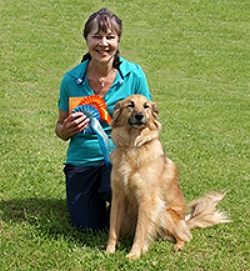
British veterinary surgeons are making a considerable contribution towards alleviating the burden of rabies across the globe, according to the British Veterinary Association (BVA). The BVA is marking the seventh World Rabies Day on 28 September by highlighting some of this important work. World Rabies Day is an annual event led by the Global Alliance for Rabies Control to provide a unique platform for individuals and organisations to raise awareness and understanding about the importance of rabies prevention. This year’s theme ‘Rabies: understand it to defeat it’ celebrates the educators and communicators whose work is essential in helping more people protect themselves against the disease. Commenting, BVA President Robin Hargreaves said: “The BVA is extremely proud to support World Rabies Day. This campaign offers a tremendous opportunity to increase global awareness of this devastating, yet totally preventable, disease. “Despite becoming a forgotten disease in western Europe many UK vets are playing a part in helping to eliminate canine rabies. As well as those working overseas who tackle the disease on a daily basis, there are vets and virologists based in the UK who are making a considerable contribution towards alleviating the burden of rabies.” The BVA is proud to highlight the work of British vets in the fight against rabies: · AHVLA As a World Health Organization (WHO) collaborating centre for rabies and an OIE Reference Laboratory, the work of the UK’s Animal Health and Veterinary Laboratories Agency (AHVLA) includes controlling or understanding rabies worldwide. They undertake confirmatory diagnosis and virus characterisation for other countries on behalf of the OIE as well as having their own research projects, and collaborating with others. Vets and researchers at the UK’s AHVLA are involved in this ongoing global fight against rabies through their scientific and technical expertise. Their recent project in Azerbaijan, which is funded by the UK's Global Partnership Programme, training scientists in rabies diagnosis and spearheading a public awareness campaign, highlights the importance and effectiveness of international cooperation. AHVLA has been awarded funding for a similar project in Georgia to develop some regional integration. · Afya Serengeti Professor Sarah Cleaveland from the University of Glasgow, a founding director of the Alliance for Rabies Control, which spearheaded the concept and establishment of an annual World Rabies Day, leads the Afya Serengeti Project - a rabies elimination project which is supported by MSD Animal Health. The research of Professor Cleaveland and her team has shown that domestic dogs are the main reservoir for rabies in the Serengeti and account for over 84 per cent of human rabies exposure. Around 50,000 dogs are vaccinated every year as part of the programme which is resulting in a reduction in the number of cases of human and canine rabies, and canine rabies has now been eliminated in some parts of the Serengeti ecosystem. · Help in Suffering, Jaipur Help in Suffering (an animal welfare charity in Jaipur, India) has been involved in street dog and rabies control since 1994, and has documented the effects of the work. Jack Reece, a British vet who has worked at Help in Suffering since 1998, explained: “As a result of the sterilisation and vaccination against rabies of street dogs we believe we have reduced the number of human rabies cases in the city perhaps to zero. We have reduced the street dog population by 48%, and we believe we have caused a reduction in human dog bite injuries from over 7 per 1,000 population to 2.7 per 1,000 population. Through data collection we have also worked out both longevity and fecundity estimates for street dogs in Jaipur, and reported both seasonality in street dog breeding and an association between breeding season and human dog bite cases.” · Mission Rabies Mission Rabies, led by British vet Luke Gamble, launched this month with a 30-day mass vaccination campaign in India. The purpose of this is twofold: to achieve a target of vaccinating 50,000 dogs in 30 days across ten selected rabies hotspot areas, and secondly, to attract huge public support (both in India and internationally), promote community awareness and to generate sponsorship for the India National Rabies Network. · Veterinary students Veterinary students from the UK are also playing their part in rabies research. Abi Waddington (a BVA overseas travel grant recipient) and Nikki Pasturel from Nottingham Veterinary School are currently in Goa undertaking a project which includes a component on rabies in the local dog population, providing critical information in ongoing research and planning into control and eradication of rabies. PET BEATS CANCER Family pet achieves the UK’s most prestigious training award and beats cancer
BVA DISAPPOINTMENT
BVA President Peter Jones said: “We fear that the move to align the Welsh Government legislation with English legislation may be less effective in controlling irresponsible dog ownership. Antisocial behaviour legislation tends to be reactive rather than preventive. “We hope that the Welsh Government can find a way to maintain a greater degree of prevention that doesn’t appear to be present in the Westminster proposals. The BVA has been calling for the introduction of measures, such as Dog Control Notices, to identify problem behaviour before it becomes a serious issue.” HATE MAIL INVESTIGATION
KENT POLICE force is heading an enquiry into a series of offensive letters sent to people in England and Wales involved in the Canine World. "No one involved is outside the show world. I’m pursuing a line of enquiry involving a historical case which might be connected – I will know more in a couple of weeks. There is definitely more than one victim – I believe there is three – relating to more than one incident.I think I’m probably looking at just one suspect, but I haven’t ruled out the possibility that they are acting with others, co-conspirators. COMPULSORY MICROHCHIPPING UNITED KINGDOM February 13
COMPULSORY MICROHIPPING IN ENGLAND: A GIANT LEAP FOR DOGS Veterinary associations have hailed the introduction of compulsory microchipping for all dogs in England as a giant leap forward for dogs and their owners. Defra has announced that from 6 April 2016 all dogs will be required to have a microchip, giving owners over 3 years to comply with new legislation that will be drafted by Defra. The British Veterinary Association and British Small Animal Association have long campaigned for microchipping to be compulsory for all dogs and both associations are members of the Microchipping Alliance, which has brought many organisations together to lobby for new legislation. Microchipping is a safe and effective way to permanently identify a dog and, through registration on a database, the dog can be linked to its owner and quickly reunited if it goes missing. Compulsory microchipping will significantly reduce the number of lost and stray animals being kept by local authorities and charities at enormous cost. Commenting, BVA President Peter Jones, said: “The introduction of compulsory microchipping is a giant leap for dogs and their owners and is something that vets have long campaigned for. Microchipping is a safe and effective way to link dogs to their owners and is an essential part of responsible ownership. “Microchipping is a small cost in terms of dog ownership with veterinary practices offering microchipping for around £15-£20 or for free as part of a practice promotion. Dogs Trust and other rehoming charities are also offering free microchipping at their centres and through local authorities.” Mark Johnston, BSAVA President, added: “The ability to reunite stray dogs with their grateful owners is a great thrill in veterinary practice, and so we warmly welcome today’s announcement. “But microchips are only as useful as the information on the database and so it is essential that owners realise that they must keep their details up to date.” The Government also announced plans to extend the scope of the Dangerous Dogs Act to private places and to allow police to decide if dogs seized under the Act can stay with their owners until the outcome of the court case, removing the need for these dogs to be kennelled. Both of these measures were supported by BVA and BSAVA in joint responses to the Defra consultation. Peter Jones added: “The Dangerous Dogs Act is woefully inadequate and needs a complete overhaul. However, in the absence of new legislation we do welcome these changes to extend the law to private property and to allow some dogs to stay with their owners during court proceedings. “Extending the law to cover private places sends a strong message that dogs much be kept under control at all times and reinforces the message of responsible ownership. “We hope that allowing dogs to stay with their owners during court proceedings will significantly reduce the number of innocent dogs unnecessarily kennelled by the police simply because of the way they look.” VETS WELCOME UNITED KINGDOM November 12 VETS WELCOME PREVENTIVE APPROACH TO DOG CONTROL IN WALES
A preventive approach to dog control that seeks to address an individual dog’s actions before they become a problem is the right way forward in Wales, according to the British Veterinary Association (BVA), which today welcomed the publication of the draft Control of Dogs (Wales) Bill. The Bill, which is now out for consultation, seeks to address dog control problems by: 1. Extending the scope of the Dangerous Dogs Act 1991 to make it an offence for a dog to be dangerously out of control anywhere in Wales including private property; 2. Amending the Dangerous Dogs Act to make it an offence for a dog to attack certain other animals; 3. Making provision for local authorities to serve Dog Control Notices (DCNs) as a preventive measure and encouraging more responsible dog ownership through training. The consultation documents accompanying the draft Bill state: “The Welsh Government’s proposals focus on the action and behaviour of a dog and not the breed.” The BVA and BVA Welsh Branch will be responding in detail to the consultation. Commenting, Peter Jones, BVA President, said: “Once again the Welsh Government is taking a lead on canine issues by seeking a more preventive approach to dog control. “The announcement clearly recognises that a dog’s behaviour is primarily the result of the way it is reared, socialised and trained and not the way it looks, and that irresponsible ownership needs to be tackled in a constructive manner before it becomes a problem. “Many of the elements included in the draft Bill are changes that BVA has long campaigned for alongside dog welfare organisations, the police and others. “The BVA has championed the use of Dog Control Notices and we support the extension of the law to cover private property and attacks on other animals. “The Dangerous Dogs Act, which focuses on a dog’s breed, has failed and ultimately the BVA wants to see it repealed. We hope that these bold measures in Wales will be another step towards better dog control legislation across the UK.” A REAL INSIGHT UNITED KINGDOM November 12 PDSA REPORT OFFERS REAL INSIGHT
Following last year’s landmark report the British Veterinary Association (BVA) welcomes the second PDSA Animal Wellbeing (PAW) Report which exposes a serious lack of understanding and provision of basic levels of care for millions of the UK’s pets. Revealing alarming levels of problem behaviour in dogs and highlighting the consequences of an obesity epidemic in dogs, cats and rabbits, the report also draws attention to the number of pets not registered with a vet and therefore at risk of disease due to not being vaccinated or neutered. The BVA urges vets in practice to read the report which identifies where owners are misinformed or unaware and highlights areas that vets in practice can work on with their clients to help achieve better wellbeing for pets. Commenting, Peter Jones, President of the BVA, said: “This is another excellent report from the PDSA offering real insight into clients’ motivations. Understanding what drives owners’ attitudes, as well as helping them to understand key health and welfare issues, should help us to clarify misconceptions in the consulting room and hopefully change behaviour at home. “On the positive side, with pet obesity ever rising it is good to see that there is a slight increase in the proportion of owners starting to recognise obesity in their pets. This is, no doubt, in part due to the tireless work of charities like the PDSA and the veterinary profession as a whole. “Sadly, despite most owners’ awareness of the ill effect that bad nutrition has on their pet this has not led to them cutting out pet treats. The fact that few can identify a healthy body shape shows that much remains to be done. “The section on preventive healthcare remains worrying with many owners seemingly not believing in the concepts of microchipping, neutering and vaccination. Vets have a real responsibility to help communicate these issues to the pet owning public for the benefit of both clients and their animals. “The report very clearly identifies where owners are misinformed or unaware and highlights areas that vets in practice can work on with their clients to help achieve better wellbeing for pets. “The report is very clearly laid out and well worth a read. We would encourage all vets to take a look and identify any new educational resources to promote in the practice, in newsletters and on websites in addition to the ones they already make available to clients. The AWF leaflets, the PDSA’s own website, and the Education Alliance are all good starting points.” |
Dog breeding defects emerge as top concern for vets
Vets are calling on prospective dog owners to think twice before buying a puppy after breeding and hereditary defects came out as vets’ top animal health and welfare concern, with the number of vets citing it as a pressing issue more than doubling in the past two years, according to figures from the British Veterinary Association (BVA) revealed during Puppy Awareness Week (4-10 September). According to BVA’s Voice of the Veterinary Profession survey, which polled almost 700 vets across the UK, there has been a significant rise in the levels of concern with regard to conformational deformities and pedigree breeding, particularly of brachycephalic breeds such as Pugs and French bulldogs, with nearly half (45%) of companion animal vets surveyed including these among the three welfare issues that concerns them most. Poorly bred puppies can suffer diseases, health problems and poor socialisation that can lead to behaviour problems, while brachycephalic dogs suffer serious health and welfare problems including struggling to breathe due to their flat-faces, which are a ‘characteristic’ of the breed. This Puppy Awareness Week, BVA and Animal Welfare Foundation (AWF) are encouraging prospective pet owners not to buy a brachycephalic breed and consider healthier breeds or cross-breeds instead, and to always consider how a puppy has been reared and cared for in its first few weeks to ensure a happy, healthy dog in later life. British Veterinary Association President Gudrun Ravetz said: “Anyone thinking of getting a new puppy should speak to their local veterinary practice for advice on the right dog for them and use the free Puppy Contract that gives prospective owners all the information they need to ensure they are buying a healthy, happy and well-socialised puppy. If a seller is not willing to provide the information listed in the Puppy Contract or allow you to see the puppy interacting with its mother, then you should walk away otherwise you risk perpetuating irresponsible dog breeding and lining the pockets of people who care more about profits than puppy welfare.” The Puppy Contract, developed by AWF and the RSPCA, is an invaluable go-to tool to empower pet owners to ask all the right questions when choosing a puppy, in order to help avoid the problems that can arise from buying a puppy from an irresponsible breeder. BVA and AWF are highlighting five top tips for anyone thinking of buying a puppy:
Abandoned dog whose hair was so matted its leg became stuck to its EAR and had to be anaesthetised before his coat could be shaved off June 17
These heartbreaking pictures show an abandoned dog whose coat was so matted his leg became fused to his ear and his fur started to peel away from his skin. The six-year-old Lhasa Apso, named Soldier by his rescuers, was found wandering the streets of Leeds by a dog warden. The dog's neglectful owner has not been found but it is believed the animal had not been groomed in months. Dog warden Harriet Chaplin, who alerted the RSPCA after finding the dog earlier this month, said: 'The dog was matted like no dog I had ever seen before. 'I believe he was either dumped in this area or has come from a home nearby as I don't think he could have wandered far in this state.'
New puppy legislation a step in right direction, but must be fully resourced, say leading vets
February 17 In response to the announcement today (Thursday 2 February) from Defra regarding new legislation around animal establishment licensing in England, Gudrun Ravetz, President of the British Veterinary Association, said: “This is a significant step in the right direction to improve the welfare of puppies and dogs in the UK, an issue our members are extremely concerned about as increasing numbers of poorly bred puppies are brought into veterinary practices. “Poorly bred and badly socialised puppies cause terrible health and welfare problems for dogs so it is right that Defra has made irresponsible dog breeding a priority. We particularly welcome the move to make the sale of a puppy under eight weeks illegal, the reduction in the number of litters bred requiring a formal breeder’s licence, and the moves towards a single animal activities licence. In the future we would also like to see that anyone breeding from a dog should be required to register with their local authority. “For these new measures to work in practice local authorities must have the necessary resources and support to fully enforce the legislation, supported by local veterinary expertise. “We hope the new legislation will encourage owners to stop and think about where they’re getting their puppies from to tackle irresponsible breeding both at home and abroad. Prospective owners should do their homework and always use the puppy contract and information pack to make sure they ask breeders the right questions for a happy, healthy puppy.” 1. The British Veterinary Association (BVA), British Small Animal Veterinary Association (BSAVA) and British Veterinary Zoological Society (BVZS) responded to the DEFRA Review of the Animal Establishment Licensing in England in March 2016. The consultation response is available on the BVA website [PDF] 2. BVA is the national representative body for the veterinary profession in the UK. We represent the views of over 16,000 members on animal health and welfare, and veterinary policy issues to government, parliamentarians and key influencers in the UK and EU. 3. BVA’s Voice of the Veterinary Profession Survey Spring 2016 found that half of vets in clinical practice mentioned poor breeding/hereditary defects or irresponsible animal ownership as their most pressing animal health and welfare issue. 4. For more information, please contact the BVA media office on 020 7908 6340 or 07503 190 247 or via media@bva.co.uk Pet obesity epidemic is top welfare concern for vets
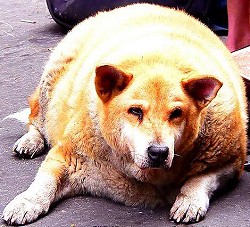
October 16 Over 60% of vets say obesity is the biggest health and welfare concern for UK pets, according to figures released by the British Veterinary Association (BVA) this World Obesity Day. BVA's Voice of the Veterinary Profession survey polled over 1,600 vets across the UK about the welfare issue that they were most concerned about, with almost two-thirds of companion animal vets citing obesity or overfeeding. As with humans, obesity is a very serious health issue for pets and can lead to life-long and life-threatening illnesses such as heart disease, breathing problems, diabetes and arthritis. Not following or understanding pet food feeding guidelines, providing too many treats and snacks, and a lack of exercise are all issues contributing to the expanding paunches of our nation's pets. Although many people believe they are being kind to their animals by providing treats and bigger food portions, they are instead, unintentionally, contributing to their pet's poor health and limiting their lifespan. Many owners also give their pets human food as a treat, however one human biscuit can equate to a whole packet when fed to an animal due to their smaller body size. Gudrun Ravetz, President of the British Veterinary Association, said: "Obesity is a potential killer for pets and we know more and more practices are seeing overweight animals coming through their doors. Many owners show love for their pet through food, but often this is a case of killing with kindness - most animals would instead enjoy playing or interacting with their owner just as much as getting a treat. It's also vital that owners understand how to correctly feed their pet and how to recognise a healthy body shape, which is something your local vet is well placed to help advise." Professor Susan Dawson, President of the British Small Veterinary Association (BSAVA) added: "It really is vital that vets and pet owners work together to help animals stay healthy. All companion animals deserve a nutritionally balanced diet; in fact it is a requirement of the Animal Welfare Acts. Of course it is tempting to give too many treats and easy to forget to weigh food out, but because obesity can cause serious health and welfare problems for companion animals BSAVA strongly recommends that bodyweight and body condition are monitored regularly and diets modified to maintain a healthy weight. Talk to your vet or vet nurse – they can help." Any pet can become obese and it is therefore very important to understand how to feed them correctly. If owners are in any doubt about their pet's diet or unsure of the right food or portion size for their animal, they should speak to a local vet who will be able to advise them. HIDDEN COSTS
September 16 "Hidden, tragic cost" of poorly socialised pets: survey reveals 98% of vets asked to euthanise healthy pets Almost all companion animal vets have been asked to euthanise healthy pets, with half (53%) saying this was not a rare occurrence and 98% of those who had been asked to euthanise a healthy pet citing the owner's reason as their pet's behaviour, reveal figures released today by the British Veterinary Association (BVA). Problem behaviours vets can see include persistent barking and howling, destructive chewing and inappropriate toileting. Aggressive behaviour, towards both people and other pets, is also a problem, with the PDSA Animal Wellbeing (PAW) report revealing that a third of pet owners have been attacked or bitten by a dog. Such behaviours can cause a breakdown of the human-animal bond, leading to pets being excluded from family life to the detriment of their welfare, relinquished to rehoming centres or euthanised. The figures, obtained during BVA's Voice of the Veterinary Profession survey, which polled over 700 vets across the UK, also highlight the burden that is placed on vets every day when they are faced with euthanising healthy animals. BVA says that these figures overwhelmingly show the importance of adequate socialisation of animals at an early age – young animals should safely encounter a variety of people, animals and everyday household sights and sounds in their first few weeks and months of age, beginning at the place where they are born. Many veterinary practices now offer puppy socialisation classes to help with this. British Veterinary Association President Sean Wensley said: "These figures are stark and are likely to come as a shock to members of the public. But this is the sad reality of a failure to socialise animals from the earliest possible age – a specific time in a puppy's development which has a significant impact on their future temperament and behaviour. With dogs, this process starts from before a puppy is even seen by a potential owner. In recent months there has been a litany of news stories about the illegal importation, breeding and trading of puppies through puppy farms. This is no way for a family pet to start life and we urge potential owners to thoroughly research where a puppy has been born and reared, using the AWF/RSPCA Puppy contract to help. Then, in the first year of ownership, and especially in the first few weeks, work with your local veterinary practice to ensure your puppy is introduced to everyday sights and sounds, including other people and animals, in a safe and structured way." Mr Wensley also commented on the impact on vets: "Nobody enters the veterinary profession wanting to euthanise healthy pets, but this is the stressful situation that many vets are facing because of undesirable behaviours in pet animals. Vets will do all they can in these situations to avoid euthanasia, including offering evidence-based behavioural advice, referring to accredited pet behaviourists or assisting with rehoming through reputable rehoming organisations, but sometimes these options are not appropriate, particularly where the behavioural issues make it extremely difficult to rehome the animal. Vets are not required to euthanise healthy animals at an owner's request, but sometimes, having carefully considered all options and given the circumstances the pet finds themselves in, it may be in an animal's best interests to do so. Euthanising an animal who could have been a loving pet is the hidden, tragic cost of poor socialisation." Owners often offered a number of reasons when requesting euthanasia for their healthy pet, with surveyed vets saying that some of the most common reasons they were given included poor health of the owner (48%), owners moving to accommodation that is unsuitable for their pet (39%), and legal enforcement reasons (32%). Vets Urge Revision Of Breed Standards To Protect Animal Welfare July 16 Following the release of new research data by Niels Pedersen from the Centre of Companion Animal Health, University of California, into breed health of the English bulldog, the British Veterinary Association (BVA) has issued the following statement:
Sean Wensley, President of the British Veterinary Association, said: “The research released today reflects the seriousness of the health problems associated with English bulldogs that our members are seeing in practice. Revision of breed standards, to include evidence-based limits on physical features such as muzzle shortness, and full consideration of other approaches such as outcrossing, are now needed to ensure high risk breeds, such as the English bulldog, do not continue to suffer unnecessarily.
“Vets are reporting concerning trends in dog health and welfare linked to the rise in ownership of brachycephalic breeds, such as bulldogs, and we are unequivocal in the need for all those with roles to play – including vets, breeders, breed societies, the pet-buying public as well as others – to take action to combat the health problems that brachycephalic breeds experience due to extreme conformation. These issues include severe lifelong breathing difficulties, corneal ulcers, skin disease, a screw-shaped tail which is linked to painful spine abnormalities, and the inability to give birth naturally. As part of their pre-purchase research, prospective dog owners should consider the health harms perpetuated in dogs by purchasing brachycephalic breeds and choose a healthier alternative breed, or crossbreed, instead, and local veterinary practices are ideally placed to give this advice. Brachycephalic dogs should not be seen as cute or desirable, rather as dogs predisposed to a lifetime of poor health, and English bulldogs should not be hailed as a national symbol for the UK where animal welfare is strongly valued.
“Vets have a duty to always prioritise the best interests of their pet patients, which, for affected animals, can involve performing surgical procedures to correct conformational disorders. They have a concurrent duty to be part of initiatives that aim to address the health and welfare of a breed beyond the individual affected animal. This is why BVA promotes the importance of vets submitting data on caesarean sections and conformation-altering surgery to the Kennel Club, to improve the future of dog health and welfare. We recognise and take seriously vets’ responsibility to develop and contribute to all such initiatives that aim to address the health and welfare of these animals and we will continue to work with all stakeholders who can positively influence and improve the health and welfare of brachycephalic breeds” BVA statement on the outcome of the EU Referendum
June 16 President of the British Veterinary Association Sean Wensley said: "The UK's decision to leave the European Union will have a significant impact on matters of interest to the veterinary profession, particularly in relation to regulation, education, and workforce planning, but also in terms of animal welfare, research, surveillance, and animal movements. "BVA will work hard to ensure the voice of the veterinary profession is heard during the negotiation and discussions that will now begin, in order to secure the best possible outcomes for our profession and for animal health and welfare in the UK. The Vet Futures report provides an excellent summary of issues we need to consider in those discussions, and the Vet Futures Action Plan, due to be launched at the Vet Futures Summit on 4 July, outlines key initiatives that we need to take forward, albeit with revised timelines while the full impact of Brexit is determined. "BVA will retain an outward looking and inclusive perspective through our relationships with international partners, including the Federation of Veterinarians for Europe (FVE), Commonwealth Veterinary Association (CVA) and World Veterinary Association (WVA) to ensure the UK veterinary profession continues to influence and engage on cross border issues such as disease surveillance, veterinary medicines and antimicrobial resistance." BVA IS CONCERNED March 16 A statement by The British Veterinary Association (BVA) says it is looking forward to hearing from the Kennel Club about certain ‘decisions’ made at Crufts. It says it shares the public’s concern and wants the KC to report on how it would be working with judges in the future. Senior figures in the BVA were reacting to the furore caused by the German Shepherd best of breed at Crufts, whose performance in the group prompted campaigners to call for the KC to take action. Others believe it must now ‘seriously address’ the breed’s perceived problems. The BVA said this week: “Improving the health and welfare of dogs is a key priority for the BVA and its members, and the current debate highlights the importance of responsible breeding to optimise the health and welfare of our dog population.” The remit of vets at Crufts is to assess the health of the dogs through hands-on examinations, while decisions about conformation are the preserve of the judges, he said. Susan and Stuart Cuthbert’s Cruaghaire Catoria passed her veterinary check at Crufts – the second show at which she has done so – after winning BOB. The vet’s form confirmed she was suffering from no visible condition which could adversely affect her health and welfare. It is understood that the vet watched her move before passing her. She has a KC/BVA hip score of 13 and elbow score of 0. The BVA statement went on: “We look forward to hearing more from the KC about how it will work with judges to address existing protocols and the guidelines referred to when making their decisions. “In their day-to-day work vets see first-hand the tragic consequences that can result from poor breeding, as owners are faced with serious and avoidable health problems in their new dogs. Anybody thinking of getting a dog must make sure that they understand the potential breed-related health problems. “If members of the public are keen to buy a specific breed we would urge that they should only buy from responsible breeders who have carried out the appropriate health tests on the parents before they are bred from. By collectively taking responsibility when buying a puppy, downloading the Animal Welfare Foundation/RSPCA puppy contract and using it to ask the right questions, owners can ensure they come home with a happy and healthy animal and help improve the health and welfare of our dog population.” When asked The KC declined to comment. OLD DOGS NEW TRICKS February 16 Just like people, some dogs take longer to learn new
tricks than others. But new research suggests that this should not come
as a surprise; a dog's intelligence is structurally comparable to that
of humans and can be measured in a similar way. Dr. Rosalind Arden, a research associate at the London School of Economics and Political Science in the UK, and colleagues publish their findings in the journal Intelligence. For their study, the researchers created a prototype IQ test, which they used to assess the intelligence of 68 working border collies. The test assessed the dogs' navigational skills, monitoring the length of time it took for them to retrieve some food that was hidden behind various barriers. It also assessed whether they could differentiate between different food quantities and monitored their ability to follow a human hand gesture, which involved a person pointing toward an object. It took just under 1 hour to test each dog, which the researchers say is how long it normally takes a person to complete an IQ test. Dogs could aid understanding between intelligence and
health This same pattern was identified among the dogs. The team found that the dogs that performed well on one test performed well on the other tests. Additionally, they found that dogs that completed the tests more quickly tended to perform them more accurately. Dr. Arden says the results indicate problem-solving abilities vary from dog to dog, just as they do in humans. She notes that this is a significant finding because, generally, humans who are more intelligent tend to be healthier and live longer. "So if, as our research suggests, dog intelligence is structured similarly to ours, studying a species that doesn't smoke, drink, use recreational drugs and does not have large differences in education and income, may help us understand this link between intelligence and health better," adds Dr. Arden. And the health implications of these findings may reach even further. Dr. Arden says: "Dogs are one of the few animals that reproduce many of the key features of dementia, so understanding their cognitive abilities could be valuable in helping us to understand the causes of this disorder in humans and possibly test treatments for it." While the research is in its early stages, the team says they hope to create a faster, more accurate IQ test for dogs. "Such a test could rapidly improve our understanding of the connection between dog intelligence, health, even lifespan, and be the foundation of 'dognitive epidemiology,'" says study coauthor Dr. Mark Adams, of the UK's University of Edinburgh. "Dogs are excellent for this kind of work because they are willing to participate and seem to enjoy taking part." Last month, Medical News Today reported on a study that suggested dogs can recognize human emotions by drawing on different sensory information - an ability that had only previously been identified in humans and primates. Vets offer pet owners cautionary ‘tail’ this Christmas
The British Veterinary Association (BVA) is urging pet owners to watch out for potential hazards to their pets this Christmas as findings released today reveal that a nativity display, antifreeze and £200 in £20 notes were just some of the items that landed animals in veterinary practices over the 2014 festive period. Findings from BVA’s Voice of the Veterinary Profession survey show that chocolate poisoning in dogs was the most common toxic ingestion case, however a quarter of vets also treated cats for dangerous antifreeze poisoning and one in ten vets saw dogs that had eaten Christmas decorations. BVA President Sean Wensley, BVA President, said: “Christmas is typically a fun and chaotic time, with lots of presents and treats suddenly arriving in our homes. Many pet owners are aware of the risks of chocolate poisoning to their pets but it’s easy to accidentally leave something tempting lying around. Our results are a cautionary tale about the range of potential hazards around your home at this time of year and owners should be very aware that tasty treats, interesting decorations and new plants can be hard for curious animals to resist. If you suspect your pet may have eaten something they shouldn’t then don’t delay consulting your local vet.” Last Christmas almost one in five vets saw dogs that had eaten a non-edible gift given to them by their owner. BVA’s survey shows the most commonly reported cases of toxic and foreign body ingestion for dogs last year were: · chocolate poisoning (seen by 69% of vets) · raisins/sultanas (45%) · Christmas decorations (10%) Vets also treated large numbers of cats who had ingested toxic and foreign bodies last Christmas. The most common were: · antifreeze (seen by 24% of vets) · seasonal plants, such as poinsettia (12%) · Christmas decorations (6%) One vet reported that an unfortunate dog ingested both chocolate and several foreign bodies: To keep Christmas merry for the whole household, BVA is urging animal-lovers to ensure their home is safe for four-legged friends by following these five simple tips: 1. 1. Protect your pet from poisons – a number of festive treats and traditions, such as chocolate, raisins, xylitol (found in sugar free treats), nuts, grapes, liquorice, poinsettia, holly and mistletoe are toxic to cats and dogs. 2. 2. Keep decorations out of reach – ribbons, wrapping paper, baubles, tinsel and tree lights can all prove irresistible to cats and dogs but can be very dangerous if broken, chewed or swallowed. Batteries for Christmas gifts also need to be kept safe as, if ingested, they may cause severe chemical burns to the mouth, throat and stomach. 3. 3. Forget festive food for pets – we all enjoy a richer diet over Christmas, but fatty foods and Christmas dinners shouldn’t be shared. They can trigger indigestion, sickness and diarrhoea or even conditions from gastroenteritis to pancreatitis, so try to stick to your pet’s regular diet and routine. Turkey bones should not be given to pets as they can splinter and puncture the digestive tract. 4. 4. Give toys not treats – we all want our pets to share the fun and many of us include a gift for our pet on the shopping list. But too many treats can lead to fat, unhappy animals so consider opting for a new toy or a long walk if you want to indulge your pet this Christmas. 5. 5. Know where to go – even with all the care in the world, animal accidents and emergencies can still happen. Make sure you’re prepared by checking your vet’s emergency cover provision and holiday opening hours or, if you are away from home, use the Royal College of Veterinary Surgeons’ Find a Vet facility at www.findavet.org.uk/ For more information on pets and poisons download the Animal Welfare Foundation leaflet at www.bva-awf.org.uk/pet-care-advice/pets-and-poisons. More Reasons To Go Smoke-Free This Stoptober, Say Leading Veterinary Organisations
October 15 In light of today’s (1 October) legislation forbidding drivers to smoke with children in their vehicle, British Veterinary Association (BVA) and British Small Animal Veterinary Association (BSAVA) are encouraging pet owners to avoid smoking for their pets’ benefit as well. The devastating effects of passive smoking on humans is well documented, but vets are concerned that many animal owners may be inadvertently harming their beloved pets by lighting up when they are together in an enclosed space. The legislation banning smoking in cars coincides with Stoptober, the NHS campaign encouraging people to stop smoking throughout the month of October, and there is more support than ever to quit. Sean Wensley, President of BVA and companion animal vet, said: “Most smokers understand that lighting up around children is harmful, but fewer people are aware of the impact passive smoking can have on their pets. Sadly this health impact, as in people, may be cancer and owners are often understandably distressed when they realise that their pet’s cancer may be the result of secondary tobacco smoking. This legislation doesn’t apply to animals but we hope owners will take this opportunity to protect their pet either by quitting or by keeping their car and home smoke-free.” A study from leading oncologist Clare Knottenbelt of Glasgow University Veterinary School, clearly demonstrated a correlation between the levels of nicotine in a dog’s fur and its exposure to cigarette smoke in the home. Ross Allan, of the British Small Animal Veterinary Association, said: “Many owners who smoke have never thought about the effects of their habit on the pets, but there is evidence that tobacco smoke increases the risks of lung and nasal cancers in dogs and of lymphoma in cats. As veterinary surgeons we champion the prevention of illness and disease, and many owners might be more likely to give up tobacco for the sake of their pet if they realised the consequence of their smoking.” The study, funded by the BSAVA’s PetSavers charity, demonstrated that dogs are inhaling and probably ingesting cigarette smoke and that this is known to increase the incidence of cancer in your pet. Professor Knottenbelt added: “While veterinary medicine is advancing all the time and we have the ability to treat some cancers in pets, it is expensive and provides no guarantees of long-term survival. The best way of avoiding damage to your pet’s health is to not smoke around them – or better still give up. It would be good for your own health, too.” Dogs in non-smoking households were shown to have very low levels of nicotine incorporated into their fur compared with animals owned by regular smokers. A third group of pets owned by smokers who only smoke outside the house had intermediate levels of nicotine in their coat. The study Nicotine concentrations in the hair of dogs and cats exposed to environmental tobacco smoke was carried out in 2012 by oncologist Clare Knottenbelt BVSc MSc DSAM MRCVS of Glasgow University. For more information contact Kay Colquhoun at BSAVA on 01452 726718 or k.colquhoun@bsava.com A GULF EXISTS BETWEEN MEMBERS AND THE KC ELITE
There is a considerable gulf between what the Kennel Club does and members’ views on how they would prefer it to operate. This ‘most profound message’ was obvious at the recent annual meeting, said chairman Steve Dean writing in the June edition of the Kennel Club Journal. Three proposals were put to the meeting – each opposed by the General Committee but approved thanks largely to the weight of proxy votes. Jean Lanning’s, to review the registration of pedigree and crossbred dogs, highlighted ‘a surprising amount of misunderstanding of the KC’s extensive promotion of the pedigree dog and why it was consistent with its mission to make a difference for dogs’, Prof Dean said. “This has been our stated mission for many years now, and yet some members clearly believe we should narrow the focus of our efforts to purely the registered purebred dog.” But this was an ‘isolationist approach’, he went on, which would not allow the KC to speak authoritatively on canine issues ‘unless members are content to limit our remit to speaking only about health and inherited diseases in the pedigree breeds’. “The world of pedigree dogs has a vast array of experience and knowledge that can be used across the spectrum of dog ownership,” Prof Dean wrote in his From the Chairman column. “The practical skills we bring to the table on breeding, genetics, training, socialisation and husbandry are extensive and form an important part of the public debate on dog ownership. “We are also a significant resource of people steeped in the experience of working with dogs, be that for exhibition, trials, agility, obedience or any other activity other than racing Greyhounds. The KC is ‘and should be the voice of experience and members should stand up for all dogs whatever their origins’, he said. “We have a core elite but that does not detract from a wider responsibility to dogs in general. In analysing this rationale further, the demography of dogs in the UK is changing.” The ‘mongrel population’ has declined seriously in the past few decades, Prof Dean said, rapidly being replaced by the ‘deliberate breeding of specific crossbreed types, usually with an amusing name to define type’. “Some, like the lurcher and Jack Russell, we seem to accept, but more modern crossbreed titles cause concern,” he said. “The registered, pedigree dog forms around 25 per cent of the assumed dog population, with an estimated further 25 per cent being unregistered ‘purebred’ dogs, whom we believe are bred largely by the commercial breeders. “Other crossbreeds of less-defined breeding are still frequently described as a cross of a breed type; indeed it is not unusual to see dogs described as from Labrador or Rottweiler origins that would make the breed enthusiast cringe and the ‘typical Staffy’ depicted on various TV programmes is a sad parody of the breed we know as the Staffordshire Bull Terrier.” But there was a theme to all of this, Prof Dean said. “The pedigree breed is being used as the reference to describe dogs of indeterminate breeding, and this is most often typified in the media by the attempts to label breed types as ‘dangerous dogs’. “There are two consequences. First, when anything goes wrong in canine health, welfare or behaviour any defect reflects directly on the reputation of the pedigree breed, even if the dog only vaguely looks like the specific breed it is purported to be. Second, it demonstrates that the public actually prefer to think of dogs as a breed type and in general any report mentioning dog breeding is assumed to include pedigree dog breeders too. “Outside the KC’s umbrella community there is no defined division between the dogs we pedigree breeders produce and the rest. As long as it looks like a breed of dog that appears to be sufficient.” It was only recently, he went on, that ‘thanks to considerable effort by the KC’, veterinary professionals, Government and ‘even the RSPCA’ have started to realise that there is a difference between the pedigree dog breeder and the puppy farmer. “In fact, even some pedigree dog breeders assume puppy farmers regularly register their puppies with the KC, which we are confident they do not. “The KC should therefore take an interest in all dogs for three very good reasons. Firstly, we all love dogs and care about their fate. Whatever the type of dog, do they not deserve our support to make sure they have the best chance to live long, healthy lives with an owner that cares for them? Secondly, many of the concerns about the health of dogs are targeted at us when it is the less caring breeders and owners that should be the focus of attention. “Should we not seek to improve this perception and attempt to positively improve or even discourage the poor dog breeder from continuing to produce sub-standard pups for public ownership? “Thirdly, many people start their experience of dog ownership with a crossbreed dog. A positive decision to move on to a pedigree dog at a later stage is more likely if they have had contact with the KC or our competitive world. “If the KC is not engaged with dog owners at the outset it will not communicate effectively with the pedigree dog owner of tomorrow.” The KC does promotes the pedigree dog exclusively, Prof Dean said. “For those who are interested, and especially those who speak negatively about our work, simply reading the Annual Report or looking at the KC website will reveal that both are almost entirely intended to support the breeding of pedigree dogs. “The core of our work is the pedigree breeds register, an authoritative listing of pedigree dogs, linked to extensive information on breeds, their health, and information to direct the public to dog clubs, breed rescues or pedigree puppies for sale, as just a few examples. Other significant contributions are Petlog, the Assured Breeder Scheme and MyKC where the crossbreed owner may come into contact with the KC. “Although, all three are designed to improve the life of any dog, they nevertheless encourage or promote ownership of a pedigree dog.” NEW PRESIDENT ELECTED Grace Webster takes reins as new British Veterinary Association
The British Veterinary Association (BVA) Scottish Branch has elected Grace Webster as its new President. As part of the network of regional and specialist divisions, the branches in the devolved administrations contribute local knowledge and expertise into the wider lobbying and representational activities of the BVA. Lively and active branches are vital to BVA’s efforts in the devolved governments to progress a range of issues. In the last year, BVA and BVA Scottish Branch have worked productively with the Scottish Government to secure improved rates for Official Veterinarians in Scotland, and played an important role in the Government’s decision as part of a wider ranging review of pet welfare legislation to carry out a review of the trade in exotic animals as pets and the introduction of compulsory microchipping for dogs from Spring 2016. In the coming year, BVA and BVA Scottish Branch will work together on issues ranging from the need for a new slaughter facility at Forfar to prevent unnecessary long-distance transport of cull sows to ensuring that Scotland’s ban on tail docking dogs remains in place. During her term as President, Grace will be the principal representative of BVA’s Scottish Branch in relation to veterinary matters. Grace’s veterinary career has been largely spent in mixed practice in Aberdeenshire, starting out as an assistant, and progressing to a partner and eventually a director. For the last four years, she has run a specialist pig practice covering much of Scotland and guest lectured in pig medicine and husbandry at Scottish Universities. She is currently the Senior Vice President of the Pig Veterinary Society. Grace was elected by the Scottish Branch at its AGM on 13 May 2015. Grace said: “I am so pleased to have been elected as President of BVA Scottish Branch by my colleagues and I am extremely grateful to Ronnie Soutar, our Senior Vice President, for everything he has achieved this year. We want to maintain the very positive relationship we have with the Scottish Government and build on those successes as well as tackling challenges ahead. I encourage all BVA members in Scotland to contact us and engage with us to ensure we know their views and represent them. We are proud of BVA's on-going commitment to its members in Scotland and welcome its support for further engagement between Branch and key Scottish stakeholders." Congratulating Grace on her election, BVA President John Blackwell said: “BVA’s Branches are vital in safeguarding animal welfare and representing the views of veterinary surgeons in the devolved nations, where animal health and welfare are the responsibility of the individual nation. The work of the Scottish Branch and Grace and her colleagues brings invaluable expertise to discussions about relevant animal, agricultural and veterinary policy in Scotland as well as playing a hugely important role when it comes to influencing politicians. “I am delighted to welcome Grace as President and know that she will help take forward the successes of the last year. Ronnie and Grace, together with Kathleen Robertson as the regional representative for Scotland on BVA Council, will be a team to be reckoned with in the nicest possible way.” SAY NO TO PARASITES April 15
Don’t let unwanted guests ’itch a ride on your pets this summer warn vets on World Veterinary Day As UK holidaymakers look forward to the annual summer getaway and travelling abroad, the British Veterinary Association (BVA) has warned globetrotters to take care their pets don’t pick up worms and other parasites on holiday. The warning comes on World Veterinary Day (WVD, 25th April 2015), a day that celebrates vets across the globe and the contribution they make to human and animal health. The WVD theme for 2015 is vector-borne diseases with zoonotic potential – diseases that can be transmitted from one animal to another, including from animals to humans, often by biting insects such as mosquitoes Such diseases include leishmaniasis, an infectious disease transmitted by sandflies, occurring commonly in Mediterranean coastal areas. The most common symptoms of the disease include skin inflammation and infection. If left untreated the disease is fatal in pets. The disease is also zoonotic, which means that it can be passed on to humans although there has never been a reported case of dog to human transmission in the UK. The good news is that owners can take precautions against leishmaniasis and the condition can be treated. Other diseases that may infect pets when they travel abroad and cause serious health issues include:
BVA’s own animal welfare charity, the Animal Welfare Foundation, has a handy pre-travel check list available for pet owners planning their holiday. The key piece of advice is:
“Owners need to take precaution when travelling abroad with their pets. We certainly do not want to discourage loved pets having fun with their owners and families on holiday. But people do need to be aware of the health risks to their pets if they pick up unwanted bugs on their travels. Some of these diseases are very serious. “The good news is that early intervention can treat many of these diseases and prevent the worst from happening, although there may be long term health implications for the animal. The even better news is there are clear precautions owners can take if they plan ahead. The best cure here is prevention and the best way to plan for a happy trip without nasty parasites hitching a lift is to consult your vet as early as possible before you travel with your pet.” DANGEROUS DOGS UNITED KINGDOM JANUARY 15
Meeting first of its kind to discuss new strategy on dangerous dogs The Kennel Club, the UK's largest dog welfare organisation, will lead discussions on the need for better investigation into dog bite incidents, at a meeting at its Clarges Street offices, London, W1, on Monday (26 January). Biographies for four key speakers at the dangerous dog meeting being held by the Kennel Club: Kendal Shepherd BVSc CCAB MRCVS Danielle Greenberg BA Hons (Oxon.) MA BVSc MRCVS Danielle studied Modern History at Oxford University before following her dream to become a vet. She qualified in 1998, and works in a busy small animal hospital in Liverpool. Christopher Mannion Christopher qualified in Dentistry and then in Medicine from Guys, Kings and St Thomas' Medical school. Christopher works as a Consultant Maxillofacial Surgeon at Leeds Teaching Hospitals NHS Trust. He has a subspecialty interest in trauma and facial reconstruction. He is an Honorary Senior Lecturer at the University of Leeds, School of Medicine, and is the Training Programme Director for training in Maxillofacial Surgery. Bill Lambert Bill is the Kennel Club Health & Breeder Services Manager. Bill has been involved with dogs all his life and bred his first litter in 1982. He is a Championship show judge of Bull Terriers and Miniature Bull Terriers and has officiated in a number of countries around the world. He is a former Vice Chairman of the Bull Terrier Club, and was a Committee Member from 1984 to 2007. Bill's interest in dangerous dogs began as early as the late 1970s when the American Pit Bull Terrier was first imported into the UK in large numbers and since that time he has visited breeders across the globe to gain a fuller understanding.? VETS SAY GET TOUGH
Get tough on pooches’ paunches in 2015 vets warn, as 95% say better weight control would significantly impact dogs’ health The British Veterinary Association (BVA) is urging owners making New Year’s resolutions not to forget pets, particularly their dogs, in health and weight control regimes in the New Year. In BVA’s most recent Voice of the Veterinary Profession survey, 95% of companion animal vets said that better weight control would have a significant impact on canine health and welfare, with two-thirds saying that a change in diet would also have a significant impact. BVA is encouraging dog owners everywhere to include their loved pets in New Year’s resolutions to burn off the post-Christmas flab and get fit. BVA President John Blackwell said: “As a practising vet myself and as a dog owner, I know how tempting it can be to show your love for a family pet by indulging in treats. But more and more practices are seeing pets brought in suffering from the consequences of poor weight control, from mobility and breathing problems to cardio-vascular conditions. “A much better way for owners to love and care for their pets is to ensure they get the diet and the exercise that meet their pets’ natural needs. We all know that dogs and walks go together like a horse and carriage. As people all over the country begin the New Year with a new health regime, we would encourage owners to get fit with their pets – a long walk is good exercise for you and your dog. Think about going an extra mile on a country walk or an extra circuit round the park. “If you are concerned that your pet may be overweight, ask your vet to check and to give advice on diet and exercise. There are lots of pet food options that suit not only your pet’s age and size, but their lifestyle as well.” BVA’s top five tips for getting fit with your dog in 2015 are: · Go the extra mile – on country walks or do an extra circuit around the local park. Remember that your dog should be on a lead in the countryside when there is livestock around.· Think toys not treats – toys that a dog can play with and get fun exercise from can get that tail wagging as energetically as treats · Join a club – lots of vet practices run fit clubs and weight-control clubs. · Get the right diet – make sure that your dog’s diet is right for the breed, the size, the age and the lifestyle of your pet. · Ask your local vet – your local vet will know your pet and its needs better than most. If in doubt about your pet’s health, exercise regime or diet, ask your vet. BVA’s Voice of the Veterinary Profession survey draws together a panel of over 1,000 BVA members broadly representative of the wider BVA membership who are surveyed on a semi-regular basis. The Voice of the Veterinary Profession captures the profession’s views and experiences by asking questions about animal health and welfare, public health, and trends in the veterinary profession. The surveys are carried out by the independent research company, Alpha Research www.alpharesearch.co.uk. 448 small animal and mixed practice vets were asked “Thinking about the dogs that you see and treat, what impact would the following have on their health and welfare?” · 95% felt better weight control would have a significant impact on canine health and welfare · 88% felt that providing more exercise would have a significant impact on canine health and welfare · 82% felt that better early socialisation would have a significant impact on canine health and welfare · 75% felt better selective breeding for improved conformation would have a significant impact on canine health and welfare · 64% felt a change of diet would significantly impact on canine health and welfare · 43% felt that more screening for inherited conditions such as hip dysplasia and eye problems would have a significant impact on canine health and welfare · Other factors mentioned which vets felt could have an impact on canine health and welfare include: o Better owner understanding of canine behaviour, handling and training o Better owner education prior to obtaining a per regarding the time and cost of keeping a pet and lifestyle considerations o Better dental care o More regular antiparasitic treatments 3. For more information please contact the BVA media office on 020 7908 6340 or via media@bva.co.uk POLICE ACCUSED Police accused over shotgun murders A woman whose mother and sister were shot dead has blamed police for returning the murder weapon to the killer seven months before he used it to gun them down.
UNITED KINGDOM Changes to the Kennel Club's dog and bone number 21 October 2014 00:00
The Kennel Club and Petlog's phone numbers have changed in order to ensure best value for money for customers.
SHOW YOUR TRUE COLOURS UNITED KINGDOM July 14 
Kennel Club Addresses Concerns On Undesirable Colours The Kennel Club breed standard for each pedigree breed states the desired colours for that breed, but this is disregarded by some breeders who sell puppies of non-standard colours at an inflated cost by promoting the 'rarity' value of dogs of such non-standard colours. To warn novice puppy buyers of the existence of these non-standard colours in some breeds, which may indicate that a dog is not a true example of the breed, the Kennel Club is including the following statement on the puppy enquiries area of the its website: 'Before searching for a puppy, please consult the breed club websites for important information on the breed. Beware of claims that puppies are a rare or exclusive colour, as well as inflated prices that reflect this 'rarity'. Often these colours are not correct, not recognised in the breed and should be considered highly undesirable.' The Kennel Club believes this will help to guide people to seek appropriate advice from the best sources and not to be tempted by the promise of a 'rare' colour, instead informing themselves properly about the true colours in a breed. Breed club websites, to which there are links from the Kennel Club website, provide more detailed guidance about the breed and the desirable colours and, where appropriate, advise that some non-recognised colours could be indications of cross-breeding. The breed standard for a breed describes the ideal specimen of the breed. The Kennel Club writes and revises breed standards taking account of the advice of breed councils/clubs. Breed standards are not changed lightly to avoid 'changing the standard to fit the current dogs' and the health and well-being of future dogs is always taken into account when new standards are prepared or existing ones altered. The Kennel Club breed standards are concise, uniform in structure and provide a basic description of the ideal specimen. Positive attributes are highlighted and faults are not usually included, but are covered by the standard fault clause 'Any departure from the foregoing points should be considered a fault and the seriousness with which the fault should be regarded should be in exact proportion to its degree and its effect upon the health and welfare of the dog'. Whilst Kennel Club breed standards do not advocate disqualification from the show ring for those showing dogs, the wording 'undesirable' or 'highly undesirable' in a breed standard is a strong indication that this feature is a serious failing. TAKE EXTRA CARE TAKE EXTRA CARE OF YOUR DOG AS TEMPERATURE RISES, WARN BVA VETS The summer sun is a welcome visitor for most of the family but dogs can struggle as the temperature rises, vets have warned. Taking extra care on warmer days can help keep furry friends happy and healthy in the sunshine. Dogs may struggle in high temperatures as they are unable to cool down quickly through sweating, rendering them vulnerable to overheating. Despite publicity campaigns in recent years, dogs still die in hot cars every summer or succumb to heatstroke as a result of over-exertion on walks and daytrips. The British Veterinary Association (BVA) is highlighting seven simple steps to help keep dogs safe as the temperature rises:
Vet Robin Hargreaves, President of the BVA, has some advice for owners as the weather gets warmer. He said: “As it gets hotter this summer, all owners need to think about taking simple steps to ensure their pets are happy and healthy during the warm weather. “Most people know that dogs should never be left in cars by themselves, even when the day is warm as opposed to hot, but it can be tempting to ignore advice if you think you won’t be gone for long. “Leaving the car windows open and a bowl of water is not enough. As a dog can only cool down through its tongue and paw pads, it cannot react quickly enough to cope with the rapidly rising heat inside a car. “Dogs are also vulnerable to heatstroke while out with their owners. I see animals in my practice every summer that have overheated while out walking or exercising. A dog won’t stop enjoying itself because it is hot, so it’s up to the owner to stop the animal before it suffers. “Older dogs and those with respiratory problems are particularly susceptible but it’s sensible to keep a close eye on any dog on warmer days. The quicker you get help the better the animal’s chances of survival.” Detecting overheating early and treating it promptly is essential to dogs recovering successfully. Signs that animals are overheating can include faster and heavier panting, barking or whining. They might produce more saliva than normal and have dark coloured gums. Eventually their eyes may become glassy and they may appear unconscious. If heatstroke is suspected dogs should be taken to a cool, well-ventilated place and given water to drink. Dogs can also be cooled down with a fan or by covering them with a wet towel. Pet owners should get advice from a vet immediately if the dog does not respond promptly. For more information on pet care from BVA vets visit www.bva.co.uk ITCH AND SCRATCH United Kingdom June 14 THE WRONG FLEA TREATMENT COULD HARM YOUR PET, WARN BVA VETS
Animal owners have been urged by vets to take care when picking a flea treatment to avoid harming their pets this summer. The arrival of warm weather always prompts millions of people to purchase preventative products at this time of year. Most of these are safe and effective but not all flea treatments are appropriate for every animal, warn vets at the British Veterinary Association (BVA). BVA is encouraging owners to speak to a vet about different options before treating their pet to ensure they are able to choose the best and safest option available. Products used inappropriately or those intended for other species can seriously harm or even kill an animal. BVA President and veterinary surgeon Robin Hargreaves said: “As the weather gets warmer many owners will be stepping up their efforts to keep their pets and homes flea and tick free. It’s understandable that people might be tempted to reach for the cheapest option or to use up products that they purchased last year but these can be ineffective or even dangerous to your pet. “I can easily understand how the wide range of available flea treatment products, of varying efficacy, could be confusing for owners. Dog treatments containing permethrin pose a particular danger if used on cats and can cause serious health problems or even death. I’ve seen firsthand the tragic results that can occur and my advice would always be to speak with your vet before making a purchase. They can take into account your individual circumstances and consider factors such as the number and range of animals in your home, your pet’s temperament and their potential exposure to other pests, such as ticks. They will then advise you on the most effective treatment for your pet.” Spot-on products containing the insecticide permethrin are highly toxic for cats and can have fatal consequences. Owners are advised to seek veterinary advice immediately if they believe their cat may be suffering from permethrin poisoning. For more information please contact the BVA media office on 020 7908 6340 or 07503 190 247 or via media@bva.co.uk SHOULD GO FURTHER OVERHAUL OF FAILED DOG LEGISLATION SHOULD GO FURTHER, SAYS BVA
The British Veterinary Association (BVA) today welcomed new dog control laws but warned that more work is needed to make the failed legislation effective. Changes to the Dangerous Dogs Act (1991) which come into force today as part of the Antisocial Behaviour, Crime and Policing Act 2014 extend the law to cover incidents on private property, increase maximum sentences for those convicted of dog control offences and offer legal protection to assistance dogs. BVA has long campaigned for a total overhaul of the Dangerous Dogs Act (1991) on the grounds that it fails to protect the public and their pets from attacks and targets breeds rather than behaviour. BVA President Robin Hargreaves said: “We welcome these amendments as we have long argued that the Dangerous Dogs Act fails in its aim to protect the public and their pets. “We are pleased to see the inclusion of preventive measures in the form of antisocial behaviour tools. These are not the Dog Control Notices we had campaigned for but we hope they will allow the police and other enforcement agencies to act before attacks take place. “We welcome the new protection afforded to guide dogs but are disappointed that the opportunity was missed to extend this protection to other animals. Dog attacks on innocent pets have distressing consequences for animals, owners and vets, and can be a precursor to attacks on people. “We are particularly disappointed that the ineffective breed-specific elements of the legislation remain in place, despite evidence that they fail to protect the public while stigmatising certain breeds. This was a missed opportunity and we will continue to campaign for further overhaul of the legislation. “Our members also believe that more needs to be done on educating the public if we are to see a reduction in the terrible incidents like those we’ve seen in the headlines in recent years.” DON'T KILL WITH KINDNESS UNITED KINGDOM April 14 STORE EASTER CHOCS AWAY FROM PETS, WARN BVA VETS
Curious pets could be at risk if they hunt down their owners’ haul of chocolate eggs and treats this Easter, warns the British Veterinary Association (BVA). Chocolate can be highly poisonous to pets, with dogs most commonly affected. Although awareness about chocolate poisoning is increasing amongst pet owners vets are still seeing urgent cases because chocolate treats have not been secured out of reach. Chocolate is toxic because it contains theobromine – a naturally occurring chemical found in cocoa beans which dogs, for example, excrete much less effectively than humans. The level of toxicity is dependent on the type of chocolate, with dark chocolate and cocoa powder being the most toxic, and the size of the dog, with smaller dogs and puppies being most at risk. BVA President Robin Hargreaves said: “Every year vets treat thousands of cases of chocolate poisoning in pets and sadly the poisoning is sometimes fatal. The majority of the cases we see are accidental chocolate consumption. Dogs have a keen sense of smell and can easily hunt down hidden Easter eggs. “Owners should try to store chocolates well out of reach of their animals to avoid an emergency trip to the vet at Easter. “If you suspect that your dog has ingested chocolate don’t delay in contacting your vet. The quicker we can offer advice and treatment the better. Vets will want to know how much chocolate your dog has eaten and what type. “Make sure you know how to contact your vet out of hours and over the bank holiday weekend when opening hours may be different.” The effects of chocolate poisoning in dogs usually appear within 12 hours and can last up to three days. First signs can include excessive thirst, vomiting, diarrhoea and restlessness. These symptoms can then develop into hyperactivity, tremors, abnormal heart rate, hyperthermia and rapid breathing. In severe cases dogs show fits and heartbeat irregularities and some cases can result in coma or death. The Animal Welfare Foundation provides information on a range of household items that may be poisonous to pet animals in its leaflet ‘Pets and Poisons’ which can be downloaded from NEW KIDS ON THE BLOCK United Kingdom March 14
Meet The UK’s Newest Pedigree Dogs The number of pedigree dog breeds recognised in the UK is set to rise to 215 when the Kennel Club recognises the Hungarian Pumi and the Griffon Fauve de Bretagne, from 1st April 2014. PRESIDENTS SPEECH BVA PRESIDENT DELIVERS ANNUAL LONDON DINNER SPEECHON THE THEME OF TRUST
The President of the British Veterinary Association (BVA), Robin Hargreaves, has called for government decisions on TB testing and veterinary surveillance to be based on quality of service as well as cost as he delivered the annual BVA London dinner speech on the theme of trust. He also spoke about the misinformation and misunderstanding in the debate about bovine TB, the need for a new approach to reducing the harm caused by non-stun slaughter, and the current concerns about the impact of changes to the pet travel scheme. Lord de Mauley, Parliamentary Under Secretary of State at Defra, also delivered a speech to guests, including parliamentarians, veterinary surgeons, and representatives from the agri-food industry, the pet industry, welfare charities, research and veterinary education. On procurement of TB testing services from Official Veterinarians, Mr Hargreaves said: “In some large animal and mixed practices, predominantly in rural areas, there has been additional worry about the impact of the Government’s decision to procure bovine TB testing of cattle by tender… We remain unconvinced that tendering is the only available route, but we acknowledge the significant budgetary pressures on Government to reduce the overall cost of TB testing. “[We want] a system that recognises the vital importance of maintaining our existing local infrastructure of veterinary practices, one that reinforces the value of the trusted relationship between local veterinary surgeons and their farm clients, especially in communicating messages on policy, biosecurity, and other advice, and one that reflects the government’s policy priority of supporting small businesses. “What we don’t yet know is how those elements will be reflected in the tendering process and we are looking to the Government to do all they can to ensure contracts are awarded on quality, as well as price.” On veterinary surveillance, Mr Hargreaves said: “We need to eradicate the diseases we’ve got, and keep out the ones that we don’t have with a robust veterinary surveillance system. That’s why we have stated repeatedly that changes to the existing surveillance system must not be based on cost alone. If we lose our capacity to protect the UK from disease incursion it will be impossible to get it back.” On bovine TB and wildlife, he said: “The IEP [Independent Expert Panel] had to be given time to produce a thorough report, but while we wait it is frustrating to see misinformation filling the void. Some in the media are painting a picture in which policymakers have a straight choice between vaccinating badgers and culling them. That picture is false. And it is damaging. “Badger vaccination clearly has a role to play in the eradication of bovine TB, and we were pleased to see it included in the government’s TB strategy, but there is no evidence to suggest that it is currently a viable alternative to culling in the fight against the disease in cattle in the endemic areas. And it is wrong to suggest that any of the measures we need to tackle bovine TB can be successful in isolation. “We fully recognise that this is a highly emotive subject and our own position was not taken lightly. But it is essential that the public debate is well informed and based on fact. We will continue to do the best we can to add the veterinary perspective to the conversation.” On slaughter without pre-stunning, he said: “It is the single issue that attracts the most comment and concern amongst our members. It is also the issue on which we have a huge amount of political support, but on which the Government feels its hands are tied. “We must remember that this concerns millions of individual animals. That is why we have been seeking to find practical solutions… For these animals we want to see post-cut stunning to reduce the individual harm. And we want to see a system of labelling that would reduce the likelihood of products entering the mainstream market, which in turn would reduce the total number of animals affected.” On pet travel, he said: “The abuse of non-commercial pet travel rules by organised gangs looking to make thousands of pounds from unsuspecting families has become a worrying and unintended consequence of the harmonisation of pet travel across Europe. And with it comes an increased risk of rabies, echinococcus, and other diseases crossing our borders. We absolutely don’t want to be alarmist about these risks, but once criminal activity is involved all bets are off. “…We support moves towards a minimum age of vaccination of 12 weeks so that no puppy can come into the country until it is at least 15 weeks old. Of course the simplest way to reverse the recent trend is to increase the waiting time before animals can enter the UK even further. But that decision is not within our gift, and without the support of other Member States it is unlikely to happen…. “Sadly, none of this activity is able to address the hidden welfare breaches being inflicted upon the breeding stock back in their home countries. This is the invisible harm being caused by the impulse buying of puppies sourced from abroad. We would always recommend that people do their research, seek out reputable breeders at home, and be prepared to be a little more patient.” Other topics: The President’s speech also covered: new veterinary schools and the increase in veterinary graduates; 24-hour emergency veterinary care; large-scale farming and ‘Farmageddon’; antimicrobial resistance and the new European Medicines Directive; dog control (including the Antisocial Behaviour, Crime and Police Bill); compulsory microchipping of dogs; exotic pets and primates as pets; and responsible pet ownership, including the puppy contract and information pack and Pet Advertising Advisory Group (PAAG). VETS GIVE SUPPORT FOR COMPULSORY MICROCHIPPING IN SCOTLAND United Kingdom January 14
The British Veterinary Association (BVA) has welcomed the Scottish Government consultation on the compulsory microchipping of all dogs in Scotland. As a member of the Microchipping Alliance the BVA has been working with many dog welfare organisations and others to promote compulsory microchipping as a positive dog welfare measure across the whole of the UK. Microchipping of all dogs is already a legal requirement in Northern Ireland and will become a requirement in Wales in 2015 and in England in 2016. The consultation, launched by Cabinet Secretary Richard Lochhead on 27 December, also asks for views on dog licensing and compulsory muzzling of dogs in public areas – measures that BVA has not supported. Commenting, BVA President Robin Hargreaves, said: “BVA has long supported the compulsory microchipping of all dogs as a significant welfare measure and so we are delighted that the Scottish Government has launched this consultation. Ronnie Soutar, President of BVA Scottish Branch, said: “Microchipping is a safe, effective and permanent way to link dogs with their owners and it is an essential part of responsible ownership. It is a small cost in terms of dog ownership with veterinary practices in Scotland offering microchipping at a very reasonable price or at a discount or free as part of a practice promotion. “It is important to remember that microchips are only as useful as the information held on the database and so we must work together with the Scottish Government to ensure that dog owners understand the importance of keeping this information up to date.” On compulsory muzzling Mr Hargreaves added: “We have some serious reservations about the call for all dogs, or dogs of a specific breed, to be muzzled in public areas. “Under the Animal Health and Welfare (Scotland) Act dogs are afforded the right to exhibit normal behaviour which could be compromised by the requirement to wear a muzzle at all times outside of the home. We hope that respondents to the consultation reject this idea.” BVA will be consulting members to respond in full to the consultation. SAFEGUARD ANTIBIOTICS FOR ANIMAL HEALTH TOO, SAYS BVA United Kingdom November 13
On European Antibiotic Awareness Day (EAAD), 18 November, the British Veterinary Association (BVA) is reminding animal owners that the rules for safeguarding antibiotics in humans also apply to animals. The issue of antibiotic resistance in humans has been described by the Chief Medical Officer as a ‘catastrophic threat’ and was raised at the G8 summit of global world leaders earlier this year. But it is not just a human health issue and BVA is using EAAD to raise awareness of the need for responsible use of antibiotics (or antimicrobials) in animals too. Antibiotics are essential for both human and animal health but irresponsible use (including overuse, underuse and misuse) can lead to resistance and ultimately to these medicines becoming ineffective. The problem of resistance in humans is primarily the result of antibiotic use in people, rather than veterinary use, but the use in animal healthcare is an important factor contributing to the wider pool of resistance. The BVA has teamed up with the Veterinary Medicines Directorate (VMD) to launch a poster aimed at pet owners to help them understand how to keep antibiotics working with the simple message ‘Don’t Infect, Don’t Expect, Do Protect’. Don’t infect – keep animals healthy through preventive treatment, exercise and good nutrition, and practice good hygiene. BVA has also produced two client leaflets aimed at farmers and pet owners to explain antibiotic resistance. The poster and leaflets are available for veterinary practices (and members of the public) to download alongside a range of other resources including posters and guidance for veterinary surgeons, downloadable mythbusters to be shared via social media, and a webinar aimed at vets, at www.bva.co.uk/eaad All of the key animal health bodies have joined forces to raise awareness of antibiotic resistance in animals and humans as part of EAAD. Commenting, BVA Past President Peter Jones said: “The veterinary profession is acutely aware of the problem of antibiotic resistance and BVA has been working for many years to promote responsible use of these vital medicines. “We all know that antibiotic resistance is a serious threat but animal owners need help to understand what that means in practice and what they can do to reduce the likelihood of resistance developing. “Our simple message of Don’t Infect, Don’t Expect, Do Protect should help owners to follow good practice and ensure that antibiotics continue to work for all animals and humans.” NEW BVA TEAM UNITED KINGDOM September 13
NEW TOP VET TEAM AT THE BRITISH VETERINARY ASSOCIATION The BVA Members' Day saw a new BVA Officer team installed with the outgoing president Peter Jones delivering his presidential address, Defra Secretary of State Owen Patterson delivering a keynote speech and awards being presented from prestigious professional awards to travel scholarships.
Outgoing President Peter Jones’ end of year speech highlights the challenges of his year in office - Lancashire-based vet becomes new President of the BVA - Shropshire-based vet becomes President Elect - Images of the new team at BVA as well as individual Officers can be downloaded from the BVA picture gallery http://www.bva.co.uk/news/Picturegallery.aspx. The keynote address was delivered by Defra Secretary of State Owen Patterson which we will try to make available to the media – please contact the BVA media office on 020 7908 6340 or media@bva.co.uk.
DON'T MESS WITH ROO AUSTRALIA August 13 A video with the ominous title “Kangaroo Tries to Drown Dog” has sparked controversy in Australia.
The owner of the pet, who uploaded a pair of clips to YouTube, said Great Dane Max bolted into the wilderness and starting chasing a mob of kangaroos. Anthony Gill said he got into his car and pursued Max, only to find him circling one of the animals in a small pond. Though Mr Gill said he and his four-year-old daughter repeatedly tried to drag Max away from the kangaroos, the videos have received scathing criticism from viewers online. One comment called the dog-owner “an absolute idiot”, while user Juliane Cho said: “Put the camera down and control your animal. The kangaroo was just trying to defend itself.” DOG BECOMES LIFELINE BURTON ON TRENT ENGLAND June 13 Rescue dog becomes lifeline for young boy
VETS ECHO MPs’ CALL FOR DOG CONTROL NOTICES
UNITED KINGDOM Veterinary associations have welcomed the cross-party Environment, Food and Rural Affairs Select Committee (EfraCom) response to the Government’s draft Dangerous Dogs (Amendment) Bill, which calls for preventive measures such as Dog Control Notices, and has called on the Government to think again. The Committee took on board evidence from the British Veterinary Association and British Small Animal Veterinary Association, as well as a number of key dog welfare organisations and enforcers, and reiterated the call for consolidated legislation on dog control including strong preventive measures. Whilst consolidated legislation would have been preferable, BVA and BSAVA accept that the Government’s plans are entirely concerned with amending the current legislation under the Dangerous Dogs Act. Both organisations are pleased to note that EfraCom supports the principle of ‘deed not breed’ in terms of not extending the list of banned breed types, since, as the report states, “any dog may become aggressive on an irresponsible owner”. Commenting, BVA President Peter Jones said: “We are delighted that this cross-party group of MPs has given such strong support for more preventive measures. We all support the proposed changes to the Dangerous Dogs Act but they simply don’t go far enough. “Instead of making more mistakes with hastily made legislation we are asking the Government to think again and reconsider introducing Dog Control Notices. DCNs have already been introduced in Scotland and have the support of veterinary surgeons, dog welfare organisations, and enforcers, as well as many parliamentarians.” Professor Michael Day, President of BSAVA, added: “EfraCom has clearly listened to the contributions made by BVA and BSAVA in this report. There are challenges remaining to make sure that any amendments to the Act are effectively enforced, and so we are glad to see that EfraCom recognises how vital it is that dog warden and enforcement services are properly resourced by local authorities. “We hope the Government takes the Committee’s report on board and looks again at the legislation.” Dog History Will Come To Life
MyKC has a built-in alerts and reminders feature, which will keep busy puppy owners updated on the key stages in their dog’s life, such as when training should start, and enable people to set their own reminders about veterinary appointments and other items in their doggy diaries. There is also a notes and addresses section to keep important contacts, dietary needs and weight information all in one place. It will also be linked to a database of dog friendly venues so that people can find restaurants, hotels, pubs and other public places in their area that will welcome the four legged member of their family. MyKC will be formally launched by the Kennel Club shortly, and those who subscribe to the free service will also get special offers on dog products and services. There are further features for breeders, as litters can be registered online quickly and easily and members of the Kennel Club Assured Breeder Scheme will receive a ‘digital badge’ for their own website, enabling prospective puppy buyers to verify that they are an official member of the scheme. Assured Breeders using the service can also view their accolades and keep up to date with the latest breed specific requirements and recommendations for their breed. “The service will help puppy seekers to find puppies from responsible breeders, and allow new puppy owners to enjoy life with their dog to the full. The search engine of dog friendly places and the personalised dog planner will help to ensure that your dog’s social and day-to-day life are organised, and the program makes full use of the Kennel Club’s extensive pedigree records and health data, so that people can see exactly where their dog came from. BVA PRESIDENT SETS OUT VALUE OF VETS
AT ANNUAL LONDON DINNER The President of the British Veterinary Association (BVA) used his annual London dinner speech last night (Tuesday 26 February) to call on the government, parliamentarians and other stakeholders to see the value in vets. He addressed current issues including the horsemeat scandal, where he called for us to look again at the horse passport system; the BVA’s call for clearer welfare labelling and measures to reduce slaughter without stunning; dog welfare, where he called for everyone to get behind the puppy contract; and pet travel, where he called for an inquiry into illegal imports of puppies for sale. Anne McIntosh, Chair of the Environment, Food, and Rural Affairs Committee, also addressed guests (which included parliamentarians, veterinary surgeons, and representatives from the agri-food industry, pet industry, welfare charities, research and veterinary education) setting out some of the recent work of the Committee and thanking the BVA for its input. On horsemeat, Peter Jones said: “It goes without saying that everyone has a right to know what’s in the food they eat. The headlines about horsemeat will no doubt continue, but what is already clear is that in a very short space of time the news has undermined confidence in the food chain. And it has called into question the veracity of the horse passport system, which is clearly not fit for purpose. “We need to look ahead now and agree what we need from the passport system and how we can achieve that – for both animal and human health. We would renew our 2009 call for all horses to be microchipped – not just foals – and for a single, national equine database. These measures may not be cheap but what price can we honestly put on regaining confidence in the food chain?” But he cautioned against a reaction that would impact on all livestock and said: “Whether it is wholesale change or adapting the current system, there is no doubt that things do need to change. But we would warn against a kneejerk response across the whole food chain that could unnecessarily impact on the cost of production in the UK. While initial price rises would be borne by the retailers and consumers, as the drive for cheap food inevitably occurs, we fear that farmers could be squeezed financially with consequences for animal health and welfare. Ultimately, we need a system that works and inspires confidence without undue burden.” Mr Jones reiterated the BVA’s call for clearer labelling for animal welfare and action to limit slaughter without stunning. He said: “Our call for better welfare labelling was, of course, heightened during the recent debate over welfare at slaughter and our call for a ban on slaughter without stunning. “And on this issue the time is now. With European legislation on slaughter being implemented into UK law this year it provides us with a golden opportunity to rethink a system that allows meat from slaughter without stunning to enter the mainstream food chain. The fact that consumers are not allowed to know whether their meat is slaughtered in a way which severely compromises the welfare of the animals in question is simply unacceptable. “If an outright ban is not possible, because of political sensitivities, then we want to see the welfare of these animals improved, through post-cut stunning and enhanced enforcement of welfare legislation. And we want to see the demand for these products reduced through clearer labelling that would make it financially unattractive for slaughterhouses to supply meat from non-stun slaughter into the secular market.” On companion animal issues Mr Jones called on all organisations to get behind the AWF/RSPCA puppy contract when it is reviewed later this year. He said: “We are grateful to both Defra and the Efra Committee for their support for the puppy contract. When it was launched last year it gained the support of almost all of the major dog welfare organisations. And when it is reviewed this year we very much hope that we can bring everyone on board. “The key to tackling those ill-advised purchases is education so wouldn’t it be great if we could all sing from the same hymn sheet?” And he called on the Efra Committee to consider holding an inquiry into pet travel. He said: “We also need to look again at the enforcement of pet travel rules as vets across the country are reporting serious concerns about animals of unknown origin coming into their practices. The reported 400% rise in pet travel movements since the change in the rules suggests that people are exploiting the non-commercial routes for commercial gain. “While the changes to the pet travel regulations were shown to keep our disease risk low, we are now witnessing the unintended consequence of large numbers of puppies being brought from eastern Europe to be sold in the UK. And we do have grave concerns for the welfare of those puppies. “Perhaps it’s a seed that we can plant in the minds of the Efra Committee members as they think about the next big topic to tackle.” Summarising, Mr Jones said: “In political terms we’re halfway through this Government and I think the veterinary profession – with a strong lead from the BVA – is bringing real value to the policy-making process and having an impact on the decisions being made. Of course we don’t expect to get everything we want, but we won’t be put off trying and we embrace the opportunities to contribute the scientific and evidence-based veterinary viewpoint.” The President’s speech also covered: veterinary surveillance (including Surveillance 2014); Official Veterinarian (OV) services; bovine TB (including badger culling and vaccination of cattle and badgers); veterinary medicines (including the UK 5-year strategy on antimicrobials); proposed new veterinary schools in the UK; dangerous dogs; microchipping of dogs; and dog welfare. NO LONGER AT RISK LONDON ENGLAND January 13 English Setter no longer at risk of extinction
And Old English Sheepdog fighting back The Old English Sheepdog, which entered the Kennel Club’s At Watch List last year has also seen a 7 percent increase, taking it to 429 registrations. The Soft Coated Wheaten Terrier, which originated in Ireland, has also come out of the At Watch list for the first time after its registrations went from 433 to 455 in 2012, meaning that the future should now be bright for the breed. Caroline Kisko, Kennel Club Secretary, said: “Everybody is talking about the post Olympic baby boom but perhaps the celebration of our British heritage in 2012 has helped lead to a revival of some of our native breeds. “Fashion and profile have the most influential impact on dog choice and we are pleased to see there is still a place in people’s hearts and homes for our British vulnerable breeds. Many are still at risk but there has been significant improvement in some breeds. People need to make sure that any dog that they choose is a good fit for their lifestyle but we hope that by highlighting these lesser known breeds people will do their research thoroughly before they buy to see if these dogs might be for them and we hope that people will come to Crufts in March to find out more.” Fran Grimsdell, Kennel Club Assured Breeder of English Setters, said: “The number of people enquiring about English Setters, who would never have previously considered the breed, has increased in the last year. The existence of the Kennel Club’s Vulnerable Breeds List has really helped to highlight their plight, and people are starting to think more deeply about their choice of dog, rather than going for the obvious choice. English Setters need company and cannot be left alone for long periods but they can are marvelous with children and make such wonderful family pets.” Other breeds that have significantly increased in popularity include the English Toy Terrier (Black and Tan) which has seen a 25 percent increase, to 126 puppy registrations; the Sussex Spaniel which increased by 29 percent to 74 registrations and the Irish Water Spaniel which has gone up by 32 percent to 148 registrations. However, the significant decline of the Smooth Fox Terrier by 46 percent to just 94 registrations and of the Clumber Spaniel by 56 percent, to 151 puppy registrations, means that the overall number of dogs within the 35 breeds on the Vulnerable and At Watch lists have increased by one percent. The breeds on the Kennel Club’s vulnerable breeds list will be amongst the 210 breeds that will be at Crufts, at the NEC on 8-11 March. There will be a Discover Dogs zone, where visitors can meet and learn about the different breeds. IT'S A NO BRAINER LONDON ENGLAND January 13
Everyone should work together to ensure that people buy from good breeders and not puppy farmers, said Kennel Club chairman Steve Dean at a recent meeting of the Associate Parliamentary Group for Animal Welfare (APGAW). Mr Hargreaves said it was possible to ‘empower the purchaser’ and steer them towards quality breeders. "We need to get to people before they make the decision, and give them something in their hand as a reminder of questions to ask, and this comes down to an accepted puppy contract,” he said. "I think the BVA Animal Welfare Foundation/RSPCA contract is wonderful, and while the KC has issues with it I don’t believe they are insurmountable. We need to bridge that gap.” The various speakers agreed largely on the subject of compulsory identification. Mr Yeates said it was a ‘no brainer’ and provided important traceability which is important for accountability. KENNEL CLUB CONCERN'S Kennel Club expresses concern about Morrisons Christmas advert
The Kennel Club has joined the veterinary profession and other dog welfare organisations in expressing serious concerns over a Morrisons Christmas advert showing a child feeding a dog Christmas pudding from the dinner table. NEW CANCER CENTRE OPENS SUFFOLK ENGLAND November 12 HRH THE PRINCESS ROYAL OPENS THE KENNEL CLUB
A brand new state-of-the-art cancer treatment and research facility for animals was opened in Suffolk today by HRH The Princess Royal. The facility at the Animal Health Trust (AHT) has been purpose-built to treat horses, dogs and cats with cancer. It will also assist in furthering understanding of the disease in animals.
Peter Webbon, Chief Executive of the AHT, said: “2012 marks 70 years of the AHT fighting disease and injury in animals, and the addition of the Cancer Centre is a landmark achievement in our history. We believe this is the first facility of its kind in Europe, purpose-built to treat horses, dogs and cats with cancer. We now have a short commissioning process to undertake but anticipate welcoming the first patients through the doors in early 2013.” The Kennel Club Cancer Centre at the AHT houses a linear accelerator and brachytherapy machine used in radiotherapy treatment, along with a 16-slice CT scanner to aid radiotherapy planning. The new facility complements the AHT’s existing cancer treatment options of surgery and chemotherapy meaning the Suffolk-based charity will be able to offer each and every patient the very best options for their specific case, whatever the diagnosis. With one in four dogs and one in six cats developing cancer at some time in their life the new centre will help many more animals fight cancer. Peter Webbon, added: “It was thanks to a generous donation from the late Tom Scott, a long-term supporter of the AHT, that we were able to start this development. His donation, along with that from many other AHT supporters, and an interest-free loan of £1.5 million from the Kennel Club has meant this ambitious project has come to fruition so quickly.” It has taken just over a year to build the Cancer Centre which contains more than 2,600 tonnes of concrete and has eight-feet wide solid concrete walls. On opening the facility, HRH The Princess Royal, President of the AHT, said: “This Cancer Centre is an exciting development at the AHT and will make a real difference for animals with cancer, here and now. It will improve the chances, for many animals, of beating this pernicious disease. “Countless other horses, dogs and cats across the world with cancer, who will never be seen by an AHT clinician, will also benefit from knowledge gained from research in The Kennel Club Cancer Centre at the AHT.” The AHT has a strong history in cancer research and the Kennel Club Cancer Centre will enhance the charity’s well established cancer research programme. Knowledge gained through the treatment of animals in the facility will contribute to the study of cancers, their causes, early diagnosis and treatment, and ultimately hopefully the prevention of some forms of the disease. Steve Dean, Kennel Club Chairman, said: ““I am very proud to be here today to celebrate the opening of the Kennel Club Cancer Centre. Thanks to the expertise available here at the Animal Health Trust, the Cancer Centre will provide advanced techniques for the diagnosis and treatment of cancer, to the benefit of many animals. It is exciting to consider how synergy between the Kennel Club Cancer Centre and the Kennel Club Genetics Centre can help to further the understanding of the inheritance factors that influence the development of cancer.” NEW DNA TEST UNITED KINGDOM November 12 NEW DNA TEST TO FIGHT DEGENERATIVE NEUROLOGICAL DISEASE IN PARSON RUSSELL TERRIERS The Kennel Club Genetics Centre at the AHT launches DNA test for late onset ataxia Late onset ataxia (LOA) affects coordination and balance, making everyday movement and tasks increasingly difficult. The new DNA test can accurately predict the risk of developing the disease in 97-100 per cent of PRTs and will effectively reduce the number of LOA cases in the breed. Dogs usually develop the disease between six months and one year of age but because there is no cure, sufferers are usually euthanised around two years after onset as their quality of life diminishes. After testing DNA of over 200 PRTs in total, the AHT’s scientists were able to isolate the genetic mutation which causes the disease and establish that LOA is an inherited recessive trait; therefore dogs must have two defective copies of the genetic mutation, one from each parent, to be affected. The test results will inform dog owners if their dog is clear from, a carrier of, or affected by LOA. Cathryn Mellersh, Head of Canine Genetics, at the AHT said: “This is great news for PRT breeders as we believe LOA is an emerging condition in the breed and through this test we should be able to cut the disorder ‘off at the pass’, before the mutation becomes any more widespread. “Interestingly, our research also suggests that there may be other causes of ataxia in the breed. It is important for breeders to understand that a clear result using the LOA DNA test will not exclude the formal possibility that dogs could still develop a genetically different form of ataxia.” Caroline Kisko, Kennel Club Secretary, said: “LOA is a relatively new but devastating condition and we are delighted that we’ve been able to work with the Animal Health Trust to develop a DNA test that will give breeders the opportunity to significantly reduce this disease. We will keep working together to develop tools and information for breeders, so that they are able to select dogs that will have healthy puppies.” The AHT would like to thank all the individuals and breed clubs who, within a matter of weeks, raised £5,000 to enable the research into this condition, and consequently develop a DNA test. It also extends its thanks to all the Parson Russell Terriers and their owners who have contributed DNA and information to help us with our research into LOA. The DNA test for LOA is available from the AHT at the price of £48. Full details are available at www.ahtdnatesting.co.uk. The Kennel Club continues to work alongside breed clubs and Breed Health Coordinators, in a collaborative effort to improve the health of pedigree dogs. The Kennel Club is happy to accommodate a club's request to add a new DNA test to its lists and would normally need a formal request from the breed's health coordinator or a majority request from the breed clubs. If a breeder has concern about an emerging health condition in their breed they are encouraged to talk to the Breed Health Coordinator who will liaise with the Kennel Club. OLD ENGLISH AT RISK LONDON ENGLAND November 12 Old English Sheepdog could risk extinction
Warns the Kennel Club as Discover Dogs comes to London • The Old English Sheepdog has been put on the Kennel Club’s ‘At Watch’ list because it is hovering on the brink of vulnerable status One of Britain’s most iconic dog breeds, the Old English Sheepdog, has been put on an At Watch list by the Kennel Club because of concerns that the breed could face extinction in the future.
|
Vets vital to post-Brexit success
February 17 Recognising and retaining the vital roles that vets play across animal health, animal welfare and public health is pivotal to securing successful outcomes from Brexit, said the British Veterinary Association (BVA) President to a roomful of key influencers at BVA's annual London Dinner in Westminster on 7 February. Speaking on the depth and breadth of the veterinary profession's roles and responsibilities, BVA President Gudrun Ravetz said: “The veterinary family – which is my focus as BVA President – is part of the international scientific community, and we are a diverse profession with far-reaching influence and impact in so many areas of political and public life ... A healthy veterinary workforce is vital for UK animal and human health.” At the dinner the BVA President previewed a new campaign, 'I support team vet', due to launch the next day (8 February), which champions the value of veterinary surgeons, veterinary nurses and the wider veterinary team. With the residence or working rights of UK-based EU vets a ‘top five’ priority for the profession in forthcoming Brexit negotiations, the BVA President highlighted workforce issues in her speech: “The UK veterinary profession relies heavily on EU graduates, who have felt the impact of the EU referendum result since day one … In the meat hygiene sector alone, some estimates suggest 95% of veterinary surgeons graduated overseas. “That’s why our first action after 23June was to call on UK governments to protect the status of EU veterinary surgeons and veterinary nurses currently living and working in the UK. It was encouraging to see some of these key priorities … make it into the Prime Minister’s list of negotiating priorities. But we have said from the outset that our members need certainty and reassurance, so we urge the Government to make that firm commitment now.” On the veterinary profession’s approach to Brexit, the BVA President emphasised: “We know vets remain nervous about the changes to come, with many of our members concerned about the threat Brexit poses for UK animal health and welfare … Yet we can also see the opportunities Brexit presents, and BVA is determined to work with the Government to seize these opportunities, where they exist, to improve standards.” Highlighting opportunities that Brexit could offer in terms of improving animal health and welfare, Ms Ravetz suggested a tightening up of the Pet Travel Scheme to reduce the growing trend of illegal puppy imports and improvements for welfare at slaughter. She said: “The Welfare at Time of Killing or WATOK Regulations for England … are a case in point about the welfare-mismatch that could occur between domestic standards and those of our trading partners under the new Brexit arrangements. By failing to bring in evidence-based parameters for all waterbath stunning of poultry, [the] legislation has rendered it impossible for Official Veterinarians to protect the welfare of all chickens at slaughter. The regulations are simply not for fit for purpose, and could call into question England’s claim as a leader in high animal welfare.” The BVA President shared with the dinner's 70 attendees a highlight for animal welfare during an early meeting between BVA and the then new Defra Secretary of State Andrea Leadsom MP last July: “We were pleased to hear [the Defra Secretary of State’s] vision to make the unique selling points of ‘UK PLC’ high animal welfare and food safety standards. It's a commitment that BVA fully backs ... To ensure our high standards continue, it is essential that we maintain existing veterinary certification and controls to satisfy our own consumer demand for quality and safety. Official statistics put the value of UK livestock outputs at £13 billion and not a penny of that could be realised without veterinary input.” Ms Ravetz concluded by looking ahead: “We can only make a success of Brexit if we harness our veterinary resource in clinical practice, public health, government services, conservation, academia, research and industry. We are a small profession but our impact is significant.” The Parliamentary Under Secretary of State for Rural Affairs and Biosecurity Lord Gardiner of Kimble responded to the BVA President’s speech. He said: “Veterinary professionals across the UK do such crucial work helping to protect against the threat of disease, caring for our beloved pets and underpinning our food and farming industry. “In my role at Defra I am continually reminded of the importance of the relationship between vets and government - most recently in tackling the outbreak of Avian Influenza in the UK. Your thoughts and ideas are invaluable as we manage the many opportunities and challenges posed by exiting the European Union, ensure the highest standards of animal welfare, protect the country from new animal disease threats, and attract the brightest and best into the profession. “I look forward to continuing to work closely together as we push ahead with our plans to create a world leading food and farming industry based on high standards of animal health and welfare.” To find out more about BVA’s ‘I support team vet’ campaign or BVA’s work on the UK’s exit from the EU, please visit www.bva.co.uk/news-campaigns-and-policy/policy/future-of-the-profession/brexit/ CAMPAIGN TO END RABIES BVA joins campaign to end rabies by 2030
September 16 To mark World Rabies Day (28 September) the British Veterinary Association (BVA) has announced that it is joining the global End Rabies Now campaign that aims to end the tens of thousands of human deaths each year from canine-mediated rabies by 2030. Almost all rabies cases are as a result of being bitten by an infected dog, with around half of all dog bites and rabies deaths occurring in children under 15 years of age. Rabies, which is preventable, is categorised as one of the 17 Neglected Tropical Diseases by the World Health Organization (WHO). The End Rabies Now campaign aims to significantly raise the profile of rabies as a global neglected tropical disease with policy makers and journalists, explaining what is being done to control and eliminate the disease. The campaign is led by Global Alliance for Rabies Control (GARC), and has three key messages: · It is possible to end human deaths from canine-mediated rabies by 2030 · Every rabies death is an avoidable death · Vaccinating dogs ends rabies Ahead of the tenth World Rabies Day, BVA has also recognised vet Professor Sarah Cleaveland OBE for her work in rabies control by awarding her the Chiron Award, one of the Association’s most prestigious awards for outstanding contributions to veterinary science. On receiving the Chiron Award, Sarah said: "Awards like this are recognition of the contributions not only of one person, but the work of many. We are deeply committed to continuing our efforts towards the global elimination of canine rabies and tackling other zoonotic diseases that affect the health and livelihoods of many of the poorest people in the world.” The End Rabies Now campaign is based around the strong scientific evidence that vaccinating dogs is fundamental to disrupting the cycle of rabies transmission to humans. The target of 2030 was chosen because one of the UN’s sustainable development goals, launched in September 2015, includes the ambition to end by 2030 neglected tropical diseases such as rabies. With 120 countries still affected by canine rabies, the End Rabies Now campaign advocates that collaborative cross-sector efforts are needed to end zoonotic diseases such as rabies: rabies elimination plans must include human and animal government agencies, veterinary and human health professionals, educators, scientists and community groups. BVA President Gudrun Ravetz said: “The work being done worldwide by vets, human health professionals and others to combat this horrific disease that senselessly kills thousands each year is of the utmost importance and BVA is proud to support the End Rabies Now campaign and help get those key messages out to policy makers and governments worldwide – every rabies death is entirely preventable and we can end rabies by 2030 through vaccinating dogs.” Get your dog travel ready this summer, say leading vets
As holiday season begins the British Veterinary Association (BVA) are asking owners to make sure their dog is as travel ready as they are if they plan to take their pet abroad this summer. Although holidays are exciting, they can be hazardous for dogs as going overseas exposes them to disease and illness they may not necessarily come into contact with back at home. Some of these diseases can have serious effects on a dog’s health and may even be fatal. As part of the EU Pet Travel Scheme, owners need to be able to provide an up to date and correct Pet Passport with all appropriate areas completed. We recommend visiting your local vet at least three weeks before travelling to make sure that your pet and its passport are ready for holidays. Gudrun Ravetz, Junior Vice President of BVA, said: “Dogs are a big part of the family and it’s great that they are able to join their owners on holiday, however it’s important to ensure that the free movement of dogs overseas does not also mean the free movement of disease too. We encourage owners to contact their local vet for more information on pet travel and to book an appointment as soon as possible to make sure their dog is fully protected when it travels.” BVA has created a handy Pet Travel Checklist to remind owners of what checks their dog needs, and when they should book an appointment with their local vet before the holiday: · Book an appointment with your vet at least three weeks before travel to get started on the right medication at the right time · Check rabies vaccination and pet passport are up to date · Ensure microchip is working and reading correctly · Speak to your vet about preventive treatment needed to protect your dog against ticks, sandflies, heartworm and tapeworm · Talk to your vet if going somewhere hot to discuss prevention of heatstroke and how to recognise signs of the problem in your dog VETS RESPOND
PUPPY FARM NEGLECT
October 15 British Veterinary Association condemns puppy farm neglect Following the BBC Watchdog exposé of shocking animal welfare standards at the Bradford puppy farm, the British Veterinary Association (BVA) is urging the Government and pet owners to take action. BVA is calling on the Government and enforcement agencies to take all necessary measures to enforce legislation and protect animal welfare standards in dog breeding and trading establishments across the UK. BVA President Sean Wensley said, “The neglect of the puppies shown in BBC Watchdog is unacceptable, with the breeders prioritising profit over animal welfare. The Government and enforcement agencies must employ all measures to ensure breeding establishments comply with the Animal Welfare Acts and pet breeding legislation. Pet owners should always consider how a puppy has been reared and cared for before buying, and use the Animal Welfare Foundation/RSPCA Puppy Contract to help them. If a seller is not willing to provide information, this should be considered a red-flag and you should walk away.” BVA has also issued a list of top tips for anyone thinking of buying a puppy: Ask at your veterinary practice about the right pet for you, your lifestyle and your family. Handlers And Dogs Killed Traveling To World Dog Show June 15 
Six travelers to The World Dog Show have died and between 11 and 19 dogs have been killed in a head-on collision in Russia involving exhibitors, breeders and handlers on their way to the World Show in Milan. Reports suggest that the deceased are four women handlers and the driver of a minibus – a Mercedes Sprinter – they were travelling in, which collided with a Iveco lorry. The lorry driver also died. Unconfirmed reports say the minivan driver was Boxer handler Pavel Voronov who ran the transportation company Show Leader. Also understood to have died are Scottish Terrier breeder Julia Khokhlova, handler and breeder of SCWT Maria Baturina, Samoyed handler Darya Boldyreva and Basenji breeder Tatyana Skovopupova. The exact number of dogs is not known. It has been reported but remains unconfirmed that the breeds involved include Chinese Cresteds, Scottish Terriers, Siberian Huskies, Samoyeds, a Soft-coated Wheaten Terrier, Pekingese, a Russian Toy Terrier and a Dobermann. The crash took place at about 6.30am today near the M1 in the Vyazma area of Smolensk. After hearing what has happened the General Assembly of the Federation Cynologique Internationale held a minute’s silence. “The whole of the dog world is in mourning,” a spokesman said. “We send our condolences to their family and friends.” President of the Italian Kennel Club, Dino Muto, and the organising staff of the World Dog Show said: “We offer our condolences for the tragic death of the people and dogs coming from Russia and headed to the World Dog Show in a minivan, which was involved in an accident. “It was Mr Muto who invited all delegates present that morning at the general assembly to observe a minute of silence for the victims.” DOG WALKERS FACE FINE April 15 Dog walkers could also end up in court as a town hall plans to be the first in Britain to enforce new laws to clean up its streets They could also end up in court as a town hall plans to be the first in Britain to enforce new laws to clean up its streets and parks. It means owners caught by dog wardens without a bag or other means of collecting mess could be given a £100 on-the-spot fine. And if they refuse to pay they could be charged and taken to court where the fine will rise to £1,000. Councillors are considering the move in Daventry, Northants. It would make the town hall the first to adopt new powers in the 2014 Anti-Social Behaviour, Crime and Policing Act. Maria Taylor, council community manager, said the public would be consulted before a decision was made. The Kennel Club says that any new powers should be “proportionate and reasonable”. CONSIDER ANIMAL HEALTH UNITED KINGDOM July 14
PM's Antibiotic review must consider animal health too The British Veterinary Association (BVA) has welcomed the Prime Minister's announcement of a review into why so few antimicrobial drugs have been introduced in recent years, and called for the review to extend to animal health. Commenting, Peter Jones, BVA Past President said: "Antibiotics are vital medicines for both human and animal health and we are working hard to safeguard their use for the future, but it is clear that we must also find ways to develop new antibiotics in veterinary medicine. "The development pipeline for new antibiotics in both human and animal health is at an all-time low and so we welcome measures to investigate how to manage this trend." Speaking at the Association's annual Welsh dinner in Cardiff last night, BVA President Robin Hargreaves reiterated the importance of using antimicrobials responsibly. He said: "One of the greatest challenges to both animal and human health is the threat of antibiotic resistance, which has the potential to become a global catastrophe. BVA POSES QUESTIONS BVA POSES QUESTIONS ON INDEPENDENCE AT BVA SCOTTISH DINNER
BVA President Robin Hargreaves posed questions about the future of the veterinary profession in an independent Scotland at the British Veterinary Association’s annual Scottish dinner hosted by John Scott MSP in the Scottish Parliament. In a keynote speech Mr Hargreaves promoted the BVA’s campaign to end non-stun slaughter, raised questions about veterinary surveillance, and underlined BVA’s support for the compulsory microchipping of dogs. Guests, including MSPs and MEPs, key representatives of animal health and welfare organisations and the agri-food industry, and senior members of the veterinary profession, were also addressed by Christine Grahame MSP, chair of the Parliament’s Cross-Party Group on Animal Welfare. The dinner took place as the Cross-Party Group hosts a weeklong exhibition in Parliament for Celebrating Scotland’s Animals Week. On Scottish independence, Robin Hargreaves said: “As a non-partisan organisation BVA has not taken a position on Scottish independence, but we have tried to provide a forum for informed debate to take place amongst our members and we’ve asked questions of Scottish Government and the RCVS. “It is clear that there has been a degree of frustration from some members who are looking for clearer answers about the future regulation of our profession in an independent Scotland. We are a small profession, but one that I hope you will agree is vitally important to Scotland’s livestock business and to the health and wellbeing of the nation’s pets. “We have questions around the impact on veterinary regulation, on funding for Scotland’s network of world-class research institutes and the potential for duplication, on funding for places at Scotland’s two excellent veterinary schools, and on veterinary surveillance.” Promoting the BVA’s campaign on non-stun slaughter, Mr Hargreaves said: “BVA has long argued that all animals should be stunned before slaughter. The welfare compromise associated with the legislative derogation for certain religious communities affects millions of individual animals every year. “We understand that very little non-stun slaughter takes place in Scotland – a small amount of non-stun poultry slaughter – but we don’t know how much non-stun slaughter produce is on Scottish supermarket shelves or sold in food outlets. “Two weeks ago we launched our epetition calling for an end to non-stun slaughter and, at the very least, a debate about ways to reduce the harm caused by non-stun slaughter. We have been overwhelmed with support from consumers who want to improve animal welfare at the time of death.” On veterinary surveillance, Mr Hargreaves said: “It must be recognised that Great Britain is a single epidemiological unit and disease knows no political boundaries. “In recent years the detection of Schmallenberg virus and the identification of bleeding calf syndrome, and in recent months the discovery of psoroptic mange in cattle for the first time in 30 years, have all served as timely and stark reminders that we reduce our surveillance capacity at our peril. Robust veterinary surveillance is essential if Scotland is to maintain its worldwide reputation for excellence in food.” On compulsory microchipping Mr Hargreaves said: “BVA has long campaigned for the compulsory microchipping and registration of all dogs. We have been pleased to see so much political support for the move which would provide a safe, permanent and effective way for any dog to be reunited with its owner – a significant dog welfare measure. “We were also pleased to hear the Environment Minister’s comments in a recent debate recognising that widespread muzzling is not necessarily a proportionate step. We have expressed serious reservations that compulsory muzzling of dogs would have a hugely detrimental effect on the animal’s ability to exhibit normal behaviour.” Other topics covered in the President’s speech include: 24/7 emergency veterinary cover, aquaculture, antimicrobial resistance, BVD, bovine TB, Scotland’s food industry and Food Standards Scotland, horse passports, tail docking of puppies, pet vending, and exotic pets. KEEP DOGS UNDER CONTROL United Kingdom April 14 BVA supports campaign to keep
The BVA is asking dog owners to support a new campaign and keep their pets on leads near livestock as recent figures confirm that attacks have risen by more than 50 per cent in the last three years. The campaign, spearheaded by the Farmers Guardian, aims to improve relationships in rural areas by encouraging walkers to keep dogs on lead near livestock. New figures, obtained by the farming publication from Freedom of Information requests to UK police forces, showed there were more than 1,000 attacks on livestock by dogs in 2013, up from 691 in 2011. Chasing and attacks can lead to serious injuries, fatalities and spontaneous abortion for sheep and other livestock. The results of these avoidable attacks are deeply distressing for the animal, the farmer and for the vet. We don’t want to discourage people from walking their dogs in the countryside. It’s great exercise and has health benefits for both owner and pet. However, responsible ownership, including keeping dogs on lead when necessary, is the cornerstone of good relationships between dog owners and farmers. It’s important to always know where your dog is in rural areas as they can cause a lot of damage in a short time. Most owners are well meaning but if a dog is out of sight they may not even be aware of the chasing or attack. We’re supporting this campaign to encourage dog owners in rural areas to keep their dogs on lead when walking near livestock.” It is good practice for owners to keep dogs on leads at all times when walking near livestock but it is particularly important during the spring. Attacks early in the year often lead to lambs being lost and sheep being killed and injured. If you feel threatened by larger livestock then you should quickly release your dog before attempting to escape. Owners are also asked to bag and remove their dog’s faeces when walking in the countryside as it can spread disease among livestock and wildlife. 1. Farmers Guardian in conjunction with the British Veterinary Association (BVA) and the National Sheep Association (NSA) is calling for a united approach from the farming sector, countryside organisations, MPs, the dog industry and wider public to address the issue. 2. Worst affected areas in 2013 according to police forces who responded to Farmer’s Guardian FOI request: Northern Ireland:126 reported incidents Kent: 126 Cumbria: 113 Sussex: 113 Gloucestershire: 57 Devon and Cornwall: 53 Derbyshire: 53 Thames Valley: 44 3. There were 211 attacks where livestock were killed - up from 190 in 2011 and 2012. 4. Northern Ireland incidents increased from 67 in 2012 to 126 in 2013 - an 88 per cent increase. 5. Dyfed Powys Police reduction from 47 in 2012 to 30 in 2013, a decrease of 36 per cent. 6. Northumbria 32 in 2012 to 22 in 2013 - a 31 per cent decline. 8. For more information or to speak to a spokesperson please contact the BVA media office on 020 7908 6340 or 07503 190 247 or via media@bva.co.uk DANGER NOT OVER RECEDING FLOOD WATERS POSE NEW DANGERS TO ANIMALS, WARN VETS
Vets at the British Veterinary Association (BVA) are warning animal owners in flood-stricken areas to be aware of the new dangers posed by receding flood waters. The water, which has flooded homes and land across the UK, is finally beginning to subside but vets are warning that the danger to pets and livestock remains. In areas where water has been contaminated by sewage, chemicals and other waste, farmers and pet owners will need to remain vigilant about potential health threats to their animals. BVA President and vet Robin Hargreaves said: “The terrible flooding has devastated many areas and it will be a huge relief for residents to see the waters subside. Unfortunately, the challenges for animal owners remain, as contaminated water continues to pose a threat to pets and livestock. “Pet owners should try to keep their animals from drinking contaminated water, as effluent and bacteria can be very harmful. It is also worth checking with your vet that you are up-to-date with all vaccinations. This will give your pet the best possible protection against diseases, such as leptospirosis, which can be spread through stagnant water. “Farmers need to consider the risks posed by contamination both to drinking water and feed for their livestock. Both silage and forage may have been contaminated by chemicals or waste and should not be fed to animals if they show signs of spoilage or mould. If alternative water or feed is not available it may be best to consider selling animals and reinvesting when conditions improve.” Animal owners in affected areas should speak to their vet if they have concerns and check with their environmental health team, who should be in a position to advise on local levels of contamination. KEEP DOGS ON LEADS DURING LAMBING SAY BVA VETS United Kingdom February 14
Vets are asking dog owners to keep their dogs on leads when walking near sheep as the annual lambing season gets underway. Ewes are particularly vulnerable at this time of year, as they prepare to give birth, and sheep worrying can have tragic consequences. It is good practice for owners to keep dogs on leads at all times when walking near livestock but it is particularly important during the spring. Vets have seen a rise in the numbers of attacks, the results of which may often lead to lambs being lost and sheep being killed and injured. British Veterinary Association (BVA) President and vet Robin Hargreaves said: “Even dogs who are usually calm and good natured can become very excitable and difficult to control when faced with livestock. Tragically this can lead to chasing, attacks and fatalities for sheep and other animals. “Over the coming months ewes in the field are likely to be heavily pregnant or to have recently given birth. Chasing and worrying can have severe consequences at this time, leading to serious injuries, early labour and fatalities. “Later in the season the arrival of lambs brings fresh temptation as their energy and activity can be irresistible to dogs. We ask that owners in rural areas keep their dogs on leads when walking near livestock. They should also consider taking alternative routes during the lambing season to avoid causing distress.” Fiona Lovatt, President of the Sheep Veterinary Society, has worked with sheep farmers in County Durham and across the country. She said: “The results of these attacks are very distressing for the sheep, the farmer and for the vet. I’ve treated sheep which have been practically shredded by dogs and you often have no choice but to put them down. At this time of year a dog attack can have drastic effects even for the ewes who are not injured, as the stress may cause them to abort. “I think most owners are well meaning but if your dog is off the lead you may not even be aware of the chasing or attack. It’s important to know where your dog is at all times as they can cause a lot of damage in a short time.” For more information and advice from vets on animal welfare issues visit the BVA website at www.bva.co.uk/news Precise figures for the numbers of sheep and other livestock injured by dogs are not collated. Statistics obtained by Farmer’s Guardian under the Freedom of Information (FOI) Act showed reported dog attacks on livestock increased from 691 in 2011 to 739 in 2012. Sheep were involved in most cases, with many being attacked, injured or killed. The real figures may be much higher as many farmers do not report attacks. More information on sheep attacks was released last year by the For more information or to speak to a spokesperson please contact the BVA media office on 020 7908 6340 or 07503 190 247 or via media@bva.co.uk PDSA REPORT PROVIDES FANTASTIC INSIGHT INTO PET WELLBEING
The British Veterinary Association (BVA) welcomes the third PDSA Animal Wellbeing (PAW) Report which delivers an annual insight into pet health and wellbeing. The survey highlights that the welfare needs of millions of UK pets are still being badly neglected - resulting in a nation of ill, lonely, aggressive, stressed and obese pets. The report draws attention to a number of worrying trends, for example: · insufficient exercise coupled with poor diets is resulting in obesity levels of around a third in the UK’s dog population BVA President Robin Hargreaves said: “The PAW report provides us with fantastic insight into people’s awareness of their pets’ needs, and helps us as veterinary surgeons to understand the motivations behind our clients’ actions. This is particularly useful at a time when we are increasingly trying to base our advice to clients on an evidence base. Through this understanding we can help our clients to become more responsible pet owners. “By tracking trends year-on-year the PAW Report is also helping us to see where our initiatives have made an impact. For example, by working together the veterinary profession, PDSA and other charities have helped raise awareness of the importance of microchipping in a short space of time. But across a range of health and welfare issues there is a huge amount more to do. “BVA will continue to work with PDSA and others to support and educate dog, cat, and rabbit owners and make sure they understand the needs of their animals.” Although an overwhelming 91% of the public believe it is important to regularly monitor pet wellbeing, the report revealed that awareness of the Animal Welfare Act and the five welfare needs within it is at an all-time low. A shocking 8.3 million pet owning households are not familiar with the five basic things that pets need to be healthy and happy. Mr Hargreaves added: “I would encourage all vets in practice to read the PAW Report, which highlights areas of particular concern with an ‘Action needed’ stamp, and to promote the PDSA’s Big Pet Check, a new innovative digital tool designed to improve awareness of the five basic pet welfare needs. “Education is key. Many health and welfare problems are preventable and by all pulling together we can help to make a real difference to the wellbeing the nation’s pets.” Dogs For Disabled Warwickshire England September 13 Dogs For The Disabled Celebrates 25th Anniversary At The Kennel Club Building
Dogs for the Disabled celebrated their 25thAnniversary at the Kennel Club Building at Stoneleigh Park in Warwickshire this summer, the third Summer Celebration event held at the building. Five hundred visitors attended the 25thAnniversary, including the charity's partners, volunteers, donors, and parents and families who benefit from the charity's work. A whole host of activities took place at the event including a charity companion dog show and Good Citizen Dog Training Scheme testing. Other highlights included a carting display by the Southern Leonberger Club, a WW2 Dakota flypast and displays of 'Wheelwork to Music' and a showcase from West Midlands Police. Peter Gorbing, Chief Executive of Dogs for the Disabled said: "The Kennel Club Building is a great location with wonderful indoor and outdoor space which, essentially for our clients, is also very accessible. "The team at the Kennel Club gave us great support. It was a day for celebrating old memories and creating new friendships that I'm sure many people will remember for a long time to come." Caroline Kisko, Kennel Club Secretary, said: "It was a great way to celebrate 25 years of Dogs for the Disabled and a real tribute to their founder Frances Hay. The Kennel Club Educational Trust was delighted that Dogs for the Disabled had chosen to host their event at the Kennel Club Building for the third year running." The Kennel Club Building is the UK's only venue created to suit all canine educational needs from dog shows and training sessions to seminars and meetings. The building is now in its fifth year of operation. If you are interested in putting on a similar charitable event, please contact the Kennel Club Building Specialist on 0844 4633 987 or email kc.building@thekennelclub.org.uk for further information. RESISTANCE, SLAUGHTER AND PET VENDING TOP THE AGENDA AT BVA ANNUAL SCOTTISH DINNER The President of the British Veterinary Association has highlighted the value of veterinary surgeons at the Association’s annual Scottish dinner, hosted in the Scottish Parliament by John Scott MSP. At the dinner, attended by Cabinet Secretary Richard Lochhead MSP, parliamentarians, key representatives of animal health and welfare organisations and the agri-food industry, and senior members of the veterinary profession, BVA President Peter Jones called for action on veterinary surveillance, new medicines to tackle the problem of resistance, changes to welfare at slaughter regulations, and action to tackle internet sales of pet animals. On veterinary surveillance, Peter Jones spoke about the emergence of Schmallenberg and said: “The emergence of a new disease also underlines the vital importance of a robust veterinary surveillance scheme. Across the UK consideration is being given to the best way to deliver veterinary surveillance in a way that is also cost-effective. “It is now more than 18 months since the Kinnaird Review reported. While we accept that it’s a hugely important issue that we must get right, all those who undertake veterinary surveillance in Scotland would appreciate some conclusions from the Strategic Management Board very soon.” On resistance, Mr Jones outlined the vital need for new flukicidal products. He said: “Last week I was delighted to learn of the breakthrough at Moredun in the development of a recombinant vaccine to protect sheep from parasitic gastroenteritis – a breakthrough that could not have come at a better time as the threat of resistance looms large, notably in grazing animals. “For certain diseases the situation is critical and we urgently need the development of new medicines. Liver fluke is posing the most serious challenge yet because the recent wet weather conditions provide such an ideal environment for this parasite to thrive. While the availability of flukicidal products is a cause for concern across the UK, it is our members in Scotland and Wales who have sounded the alarm bells most vigorously. “We are looking to the regulator – the Veterinary Medicines Directorate – to find solutions that could facilitate the fast track for licensing of more flukicides coming through the R&D pipeline, without companies necessarily having to have the full dossier of data available, so provisional authorisation can be granted.” On welfare at slaughter, Mr Jones reiterated BVA’s call for all animals to be stunned before slaughter. He said: “We are grateful to Scottish Government for consulting over these sensitive issues and we look forward to working with you to implement a solution that offers the highest levels of animal welfare, whilst respecting the views of certain religious communities. “In the absence of a complete ban on non-stun slaughter we are calling for measures to reduce the amount of non-stunned slaughter – through labelling and controls to ensure there is not an oversupply of such meat into the secular market – and to reduce the welfare harm to those animals – through immediate post-cut stunning and mandatory veterinary presence.” On pet vending Mr Jones welcomed the review of the legislation and called on all parts of the UK to work together to tackle the problems associated with the online sale of pet animals. He said: “We were very pleased to learn that the Government has started talks on pet vending legislation. It’s been a long time coming; the need for reform was highlighted during the consultation on the Animal Health and Welfare (Scotland) Act back in 2004. But we’re very pleased that it is back on the agenda now and I’d like to thank the Cross Party Group for its efforts in making sure that happened. “The explosion of internet shopping has resulted in a culture that says ‘I want this now and I can have it’. But when it comes to our pets, I’m afraid that’s just not acceptable. “We want to see codes of conduct for these websites enforced across the UK and endorsed by the four administrations. And we also need a huge public awareness campaign with all of us – vets, charities, and government working together to give a consistent message to potential animal owners.” The full text of Peter Jones’s speech also included comment on: Scotland’s research capabilities; responsible use of antimicrobials and anthelmintics; Schmallenberg virus; bovine viral diarrhoea (BVD); Johne’s disease; aquaculture; horse passport and the horsemeat scandal; health & safety on farms; the Domestic Violence Veterinary Initiative; dog control; microchipping of dogs; the Pet Advertising Advisory Group; and the AWF/RSPCA puppy contract. DANGEROUS DOGS LAWS
New laws to tackle dangerous dogs are welcome but the Government must look at preventing incidents rather than dealing with them afterwards, according to the British Veterinary Association (BVA). The Dangerous Dogs (Amendment) Bill, published today, will extend dangerous dogs legislation to make it an offence for a dog to be dangerously out of control in any place, including private property. The BVA has long campaigned, alongside the major dog welfare charities and enforcers, for these changes which recognise that responsible owners must keep their dogs under control in all situations. The Bill will also explicitly cover attacks on assistance dogs but the BVA is reiterating its call for the protection of assistance dogs to be extended to all protected animals, such as dogs, cats, horses, and others. Ultimately, the BVA wants to see a complete overhaul of the Dangerous Dogs Act which has failed to protect the public. Veterinary surgeons and all of the major organisations working with dogs agree that a more preventive approach is needed and the BVA is repeating its call for Dog Control Notices to be introduced, similar to those used in Scotland and those being considered in Wales. Current proposals made by the Home Office under anti-social behaviour legislation are inadequate. Commenting, Peter Jones, President of the British Veterinary Association, said: “The Dangerous Dogs (Amendment) Bill is a welcome move that will ensure owners take responsibility for their dogs’ behaviour in all situations. Too many postal workers, nurses, social workers, and family members have been injured on private property with no protection under the law. “But despite these proposed changes, the law will still be focused on dealing with incidents after they have occurred rather than attempting to prevent them. The BVA strongly supports the introduction of more preventive measures, such as Dog Control Notices, to identify problem behaviour before it becomes serious.” HELP NEEDED UNITED KINGDOM March 13 Labrador and Golden Retriever owners asked to help tackle canine obesity
The study, being run by GOdogs, a research group at the University of Cambridge investigating the genetics of obesity in dogs, is attempting to find answers to why Labradors and Golden Retrievers may be prone to obesity. The Kennel Club’s Breed Watch scheme, which identifies particular points of concern within each dog breed, lists a tendency to become overweight as one issue which these two breeds face. Eleanor Raffan, a veterinarian and geneticist at the University of Cambridge’s Institute of Metabolic Science, and who is running the project, said: “Canine obesity is emerging as a significant threat to dogs’ health and welfare, with obesity being associated with the development of all manner of diseases from breathing problems to arthritis and diabetes to cancer. “It is apparent that obesity develops when animals eat more calories than they burn up each day. However, it is not known why some individuals eat and beg for food to the point of obesity whilst others remain lean. The fact that some breeds, such as Labradors and Golden Retrievers, are predisposed to obesity makes us believe their genes are the cause.” “Research in humans suggests that genes governing appetite are important but there is much to learn and little work has been carried out in dogs. If we can find a genetic reason why Labradors are considered greedy, it will offer benefits to them, other dog breeds and human medical science too.” Caroline Kisko, Kennel Club Secretary, added: “We would encourage as many Labrador and Golden Retriever owners as possible to get involved in the study, which may help to safeguard the future health of these wonderful breeds.” GOdogs require a saliva sample from participating dogs, that the dog is ‘condition scored’ and weighed by a vet or vet nurse, and owners will be asked to fill out a questionnaire. To be eligible for inclusion in the study, dogs must be over 5 years old and either lean or markedly overweight. Further information about the project, and details of how to get involved, can be found at www.GOdogs.org.uk following GOdogs on Twitter (@GOdogsProject) or by emailing Eleanor Raffan directly at er311@cam.ac.uk. VETS SUPPORT MOVES
New legislation to regulate all commercial dog breeders was agreed in the Northern Ireland Assembly on Monday (18 February). Welcoming the announcement, BVA President Peter Jones said: “We fully support initiatives to clamp down on unscrupulous breeders and allow good breeders to demonstrate their own value to the puppy-buying public, so we are particularly pleased to learn these regulations have been approved. “All too often veterinary surgeons are faced with a client holding a new puppy with health, welfare or behaviour problems, by which time it’s too late.” Together with colleagues in the welfare and rehoming charities the veterinary profession has been lobbying for better legislation on dog breeding. Sandra Dunbar, President of the recently inaugurated BVA Northern Ireland branch, commented: “We are delighted to see such a high level of political commitment to canine issues in Northern Ireland and while we would like to have seen the regulations to go further in some areas, particularly on the issue of health testing, we strongly welcome the new legislation. “Sadly, vets have to deal with the devastating consequences of poor breeding practices on a daily basis. The way in which a puppy is bred and how it is treated and socialised during the first weeks of its life has a huge impact on its health and temperament - so all measures that seek to improve the way in which puppies are bred and sold are vitally important.” Mr Jones added: “As vets we also have a role to play in helping the puppy-buying public to understand how to select a happy, healthy puppy from a good breeder. This new legislation provides a timely opportunity to urge both buyers and sellers to follow the guidelines and advice set out in the AWF/RSPCA Puppy Contract and Puppy Information Pack.” KC REACTS LONDON ENGLAND January 13 Kennel Club reaction to draft Anti-Social Behaviour Bill The Kennel Club has responded to the Home Office Affairs Committee’s call for evidence on the Government’s draft Anti-Social Behaviour Bill which includes an inquiry into the effectiveness of the proposed measures in tackling anti-social behaviour as well as the benefits to individuals, communities and businesses. The draft Bill is based on the policies outlined in the Government’s Anti-Social Behaviour White Paper, ‘Putting Victims First’ which was published last year. The dog related proposals of the Bill outline measures to tackle irresponsible dog ownership and incidents involving individuals using dogs as weapons to cause fear or intimidate as a form of anti-social behaviour. These include the replacement of Dog Control Orders with Public Spaces Protection Orders, the introduction of Community Protection Orders and the replacement of Anti-Social Behaviour Orders (ASBOs) with Injunctions. The Kennel Club has serious concerns regarding the abolishment of Dog Control Orders, which it feels can be used effectively by councils to promote responsible dog ownership when used correctly. It also does not believe that the new proposals outlined in the Bill would be more effective in tackling dog related anti-social behaviour. The current measures in place, including the Dogs Act 1871, Dog Control Orders in the Clean Neighbourhoods and Environment Act and Dog Control Notices currently enforced under the Control of Dogs (Scotland) Act 2010 and the Dogs (Amendment) Act (Northern Ireland) 2011, are believed to be better in dealing with dog related anti-social behaviour. Caroline Kisko, Kennel Club Secretary, said: “Whilst we appreciate that steps are being taken to address the issue of irresponsible dog ownership in regard to anti-social behaviour, we would like to see a clear plan for reducing anti-social behaviour incidents related to irresponsible dog ownership and measures that would target individual dogs and owners and not penalise the responsible dog owner. The Kennel Club feels this could be best achieved through Dog Control Notices, currently in place in Scotland and Northern Ireland, and being considered in Wales. “On two occasions, following the consultation and on publication of the Anti-Social Behaviour White Paper, the Kennel Club contacted Lord Henley, the then Minister of State for Crime Prevention and Anti-Social Behaviour Reduction, to express concern over the proposals and request a meeting to discuss the issue further. “We were assured by Lord Henley that his department would be hosting a working group for stakeholders to discuss these concerns before any further announcement was made, but this seems to have fallen by the wayside. This is very disappointing when many interested organisations could have provided useful insight and solutions to some of the issues currently causing concern within the Bill.” The Kennel Club’s response to the Anti-Social Behaviour Bill can be found at www.thekennelclub.org.uk/consultations. KC TO THE RESCUE Vulnerable British breed rescued from France
The Otterhound is one of the UK’s vulnerable native dog breeds. With fewer than 50 puppy registrations a year, the breed that has been in the UK since the 11th century is at risk of dying out. However one more can now be added to the list after Otterhound Club Rescue helped one dog on death row in France. TOP OF THE AGENDA UNITED KINGDOM November 12 DISEASE ERADICATION AND ANIMAL WELFARE TOP THE AGENDA AT ANNUAL BVA NORTHERN IRELAND DINNER
The British Veterinary Association (BVA) has used its annual dinner in Northern Ireland to call on the Department of Agriculture and Rural Development to ensure that legal and financial support for Animal Health and Welfare NI is forthcoming. BVA President Peter Jones also used the opportunity to call for more government action to promote the new welfare codes for companion and large animals under the Welfare of Animals Act to the public. Further, Mr Jones urged vets and farmers to remain vigilant following the emergence of Schmallenberg virus last month and addressed a number of other key animal health and welfare issues. The dinner was hosted by Oliver McMullan and attended by parliamentarians, key representatives of animal health and welfare organisations and the agri-food industry as well as senior members of the veterinary profession. Northern Ireland's Chief Veterinary Officer Bert Houston responded for the guests as DARD Minister Michelle O'Neill was unable to attend. On disease eradication and the formation of Animal Health and Welfare NI, Mr Jones said: “It’s no secret that disease eradication is a long hard slog and it takes enormous commitment from industry, government and the veterinary profession. “In September we warmly welcomed the formation of Animal Health and Welfare NI and praised industry for taking the lead in this initiative to deal systematically with production animal diseases. “We were pleased to note the Minister’s strong support for the initiative when it was launched and we hope that the financial and legal support it needs from the Department will soon be forthcoming. “Tackling two endemic diseases such as BVD and Johne’s disease at the same time is an ambitious project to say the least. It will have to be carefully programmed and it can only succeed through a true partnership between industry and government.” On last month’s news that Schmallenberg virus has reached Northern Ireland, Mr Jones added: “The recent emergence of Schmallenberg virus in northern Europe – and Bluetongue before it – is a perfect illustration of the need for robust surveillance systems, excellent research facilities, and an understanding of the risks involved in sourcing animals. “Last month we learned that Schmallenberg had reached Northern Ireland. While this news was not surprising we know that it will have come as a blow to local farmers, as it has done to each of the farming communities it has hit. “We are constantly learning more about the disease and it is essential that vets and farmers remain vigilant and report any suspicious cases in order to help us build a more complete picture. What we do know is that Schmallenberg has an incredible capacity to spread, moving a long way and over bodies of water in a relatively short period of time. “When the virus reached the UK at the start of 2012 the Agri-Food and Biosciences Institute was quick off the mark to begin its work on a test, demonstrating the need for a responsive and efficient laboratory resource.” On the welfare codes under the Welfare of Animals Act, Mr Jones said: “The five welfare needs enshrined in the Act, and explained through the codes, are vitally important for every animal keeper’s understanding of how to provide the right level of care. But there is a significant challenge in educating the animal-owning public. “A recent report by the PDSA revealed that only 1 in 3 pet owners in the UK are familiar with the Welfare of Animals Act (and its equivalents in Great Britain). That should be of real concern to us all. “The content of the welfare codes needs to reach the general public if it is to have any real impact. We were therefore disappointed to note that there has been very little fanfare in terms of launching the codes and we would urge the Department to think again about how to publicise the important messages contained in them.” THE KENNEL CLUB WELCOMES LONDON ENGLAND November 12
Kennel Club welcomes DEFRA minister's oral evidence to EFRA committee The Kennel Club has welcomed comments made by Department for Environment, Food and Rural Affairs (Defra) Parliamentary Under-Secretary of State, Lord de Mauley, during this week’s Environment, Food and Rural Affairs Committee Oral evidence session (31 October). Citing the “impressive work” being undertaken by the Kennel Club in relation to pedigree dog breeding, Lord de Mauley highlighted his department’s view that at present no additional regulation was necessary by government and instead encouraged independent schemes that promote good breeding practices. Kennel Club Secretary Caroline Kisko commented “The Kennel Club has run the Assured Breeder Scheme for many years to provide a standard for best breeding practices that gives new puppy owners the peace of mind that their puppy has been bred with health and welfare as a number one priority. We are therefore delighted that the Minister has recognised such schemes in his evidence to the inquiry.” The Minister also stated that he did not consider that the Dog Breeding Advisory Council needed “more teeth” and hoped that existing organisations such as the Kennel Club and charities would be enough without the need for a regulatory authority. Regarding Defra’s package of measures to tackle irresponsible dog ownership as outlined in their consultation earlier this year, Lord de Mauley outlined his department’s plans to introduce a “carefully considered amendment to the existing (Dangerous Dogs) Act” as well as compulsory microchipping under the Animal Welfare Act (2006). As an organisation which has been campaigning for wholesale reform of the Dangerous Dogs Act since its enactment in 1991, the Kennel Club greatly welcomes the commitment for review by the government, however remains frustrated by the consistent promises and delays in relation to this. Caroline Kisko added “We completely agree with the Minister in his referral to compulsory microchipping as a ‘better modern alternative’ to licensing and have long been promoting the many benefits of microchipping to Members of Parliament and dog owners through events such as National Microchipping Month. “Our hope is that Defra now takes on board any recommendations made as a result of this inquiry, and pushes forward with its plans to amend dog law in relation to dog control, microchipping and responsible dog ownership without further delay.”
|
||||||||||||||||||||||||||||||||||||||||||||||||||||||||||||||||||||||||||||||||||||||||||||||||||||||||||||||||||||||||||||||||||||||||||||||||||||||||||||||||||||||||||||||||||||||||||||||||||||||||||||||||||||||||||||||||||||||||||||||||||||||||||||||||||||||||||||||||||||||||||||||||||||||||||||||||||||||||||||||||||||||||||||||||||||||||||||||||||||||||||||||||||||||||||||||